At SL VOYO, Sri Lanka’s first travel platform, we help travellers go beyond basic sightseeing and experience the island in a more meaningful way. Whether you are joining our tours or planning your own adventure, here is our friendly guide to the beautiful brass-making traditions of Pilimathalawa in Sri Lanka.
A Village Famous for Brass Craft
Nestled in the heart of Sri Lanka’s hill country, Pilimathalawa is widely known for its centuries-old brass craftsmanship. This peaceful town near Kandy has become one of the island’s most recognised centres for handmade brass products, attracting visitors who admire traditional Sri Lankan artistry.
From decorative oil lamps and temple bells to ornamental household items, the craftsmanship found here reflects both beauty and cultural heritage. Skilled artisans continue to preserve these traditional techniques that have been passed down through generations.
The shining brass creations of Pilimathalawa remain an important symbol of Sri Lanka’s artistic traditions.
The Ancient Art of Brass Making
Brass making in Pilimathalawa is a labour-intensive craft that requires patience, precision, and years of experience. Artisans begin by heating brass metal at extremely high temperatures until it becomes molten and ready for shaping.
The glowing liquid metal is then carefully poured into moulds prepared for different items such as lamps, bowls, bells, and decorative ornaments. Every stage of the process is completed with remarkable attention to detail and craftsmanship.
The intense heat, glowing furnaces, and traditional tools create a fascinating environment for visitors witnessing the process firsthand.
Craftsmanship Passed Through Generations
In many families, brass craftsmanship is more than a profession — it is a proud cultural tradition handed down through generations. Young artisans often learn the trade from parents and grandparents, preserving techniques that have existed for centuries.
These skilled craftsmen dedicate years to mastering engraving, polishing, shaping, and decorative detailing. The final products are admired not only for their beauty but also for the cultural and spiritual meaning they carry within Sri Lankan society.
Traditional brasswork continues to hold an important place in homes, temples, and religious ceremonies across the island.
Brass Items in Sri Lankan Culture
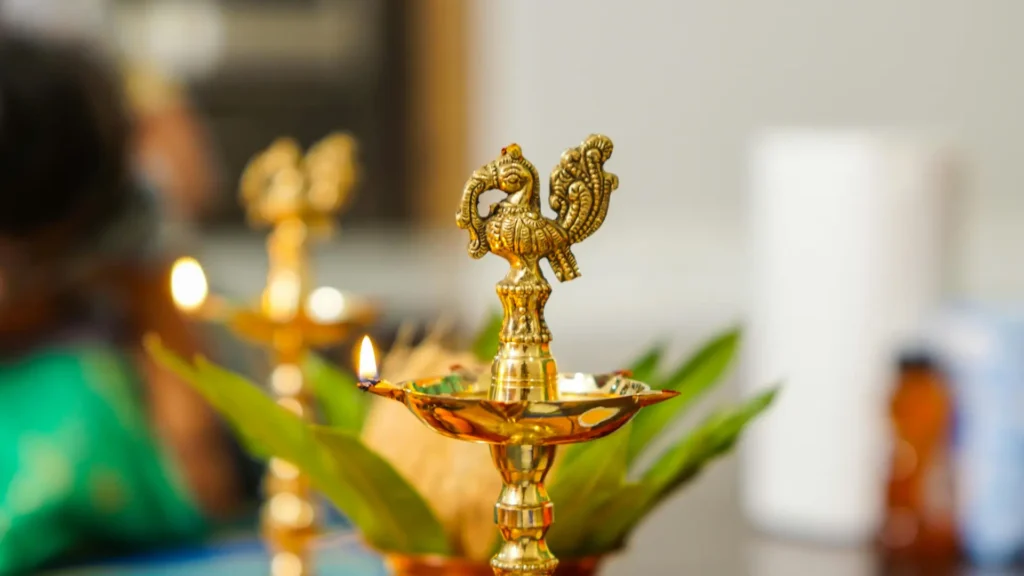
Brass items are deeply connected to Sri Lanka’s religious and cultural traditions. Ornamental oil lamps are commonly used during Buddhist, Hindu, and cultural ceremonies as symbols of light, purity, and blessings.
Temple bells, decorative trays, statues, and ceremonial objects crafted in brass are also widely used in places of worship and family celebrations. The intricate designs often feature floral patterns, mythical creatures, and traditional Sri Lankan motifs inspired by history and nature.
These handcrafted pieces beautifully combine functionality, spirituality, and artistic expression.
Exploring the Workshops of Pilimathalawa
Visitors travelling through Pilimathalawa can explore small workshops where artisans continue to produce brass items using traditional methods. Watching the craftsmen shape glowing metal and polish finished products offers a unique glimpse into Sri Lanka’s living heritage.
Many workshops display beautifully crafted souvenirs, decorative pieces, and ceremonial items that travellers can purchase while supporting local artisans and preserving traditional craftsmanship.
The experience provides travellers with a deeper appreciation for Sri Lanka’s rich artistic culture and handmade traditions.
A Cultural Experience Beyond Sightseeing
For travellers seeking authentic cultural experiences, Pilimathalawa offers far more than shopping. It provides an opportunity to witness centuries-old craftsmanship still thriving in modern Sri Lanka.
The combination of history, artistry, and tradition makes the town a fascinating destination for anyone interested in local culture, heritage, and handmade crafts. The warm hospitality of local artisans adds even more meaning to the experience.
Visiting Pilimathalawa allows travellers to connect with one of Sri Lanka’s most treasured artistic traditions.
Table of Contents
Tours you might like
We care about our people. That’s why we offer Heartfelt Expedition
What is it?
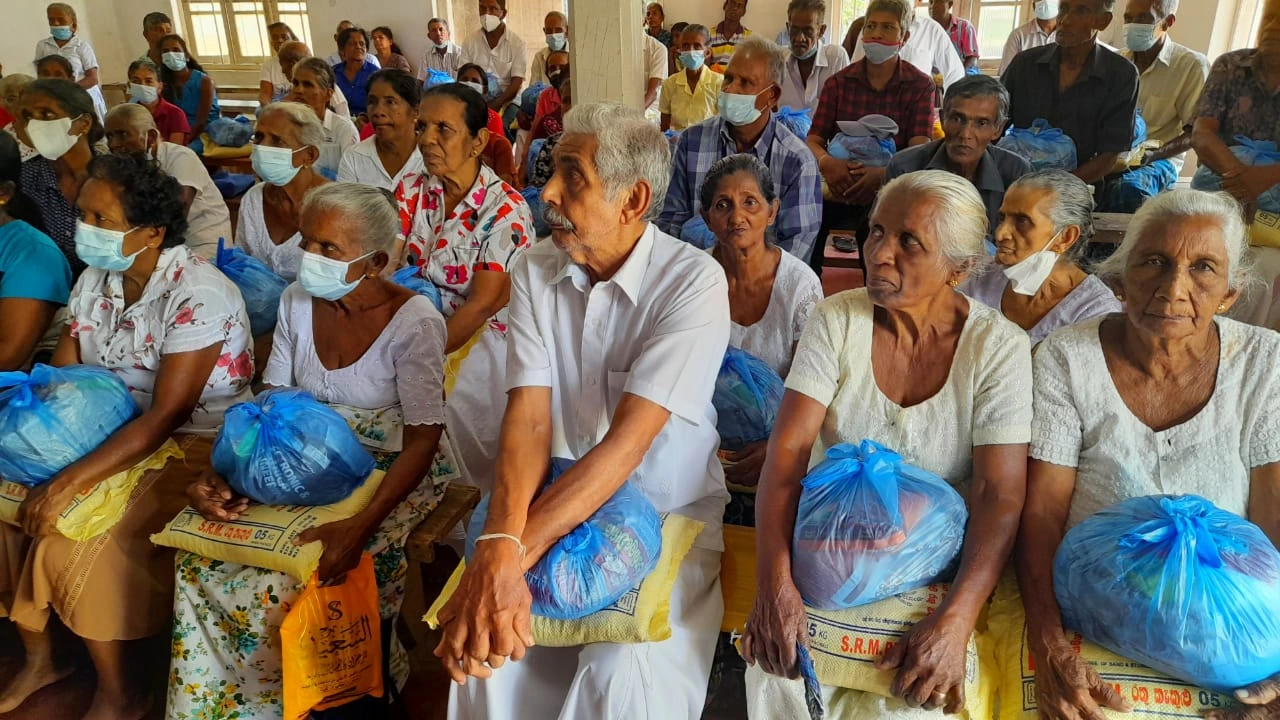
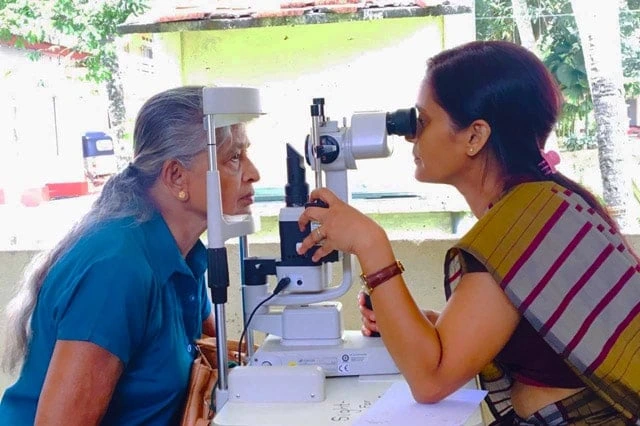
Google Ranked #1, the Heartfelt Expedition is a unique tour that invites tourists to personally engage in charitable events from the perspective of a local donor. Participants will be involved in school initiatives, elderly adoption, and community assistance throughout Sri Lanka.
Discover authentic culture and make a difference by helping local communities.