The Timeless Story of Sri Lanka’s Traditional Cambay Attire
Table of Contents
At SL VOYO, Sri Lanka’s first travel platform, we help travellers go beyond basic sightseeing and experience the island in a more meaningful way. Whether you are joining our tours or planning your own adventure, here is our friendly guide to exploring the rich history behind Sri Lanka’s traditional Cambay attire.
A Traditional Attire with Deep Historical Roots
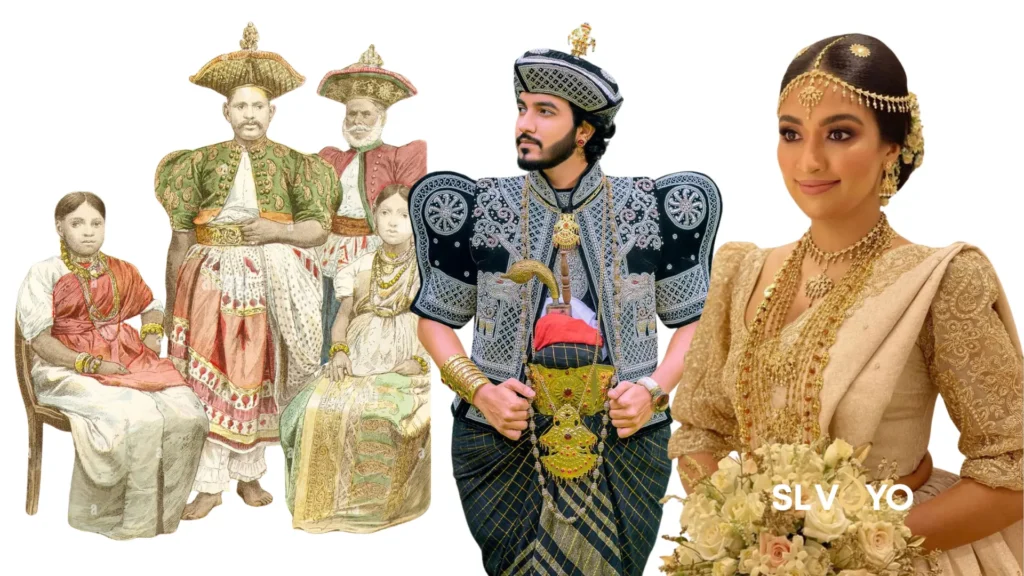
Centuries ago, Sri Lankans wore a traditional form of clothing known as the Cambay or Comboy, an attire deeply connected to the island’s cultural identity and social traditions. Worn by both men and women, this unique style of dress reflected elegance, practicality, and status within society.
The attire evolved through centuries of cultural exchange, influenced by traders, settlers, and neighbouring regions across South Asia. Although styles changed over time, the Cambay remained an important part of Sri Lanka’s traditional fashion history.
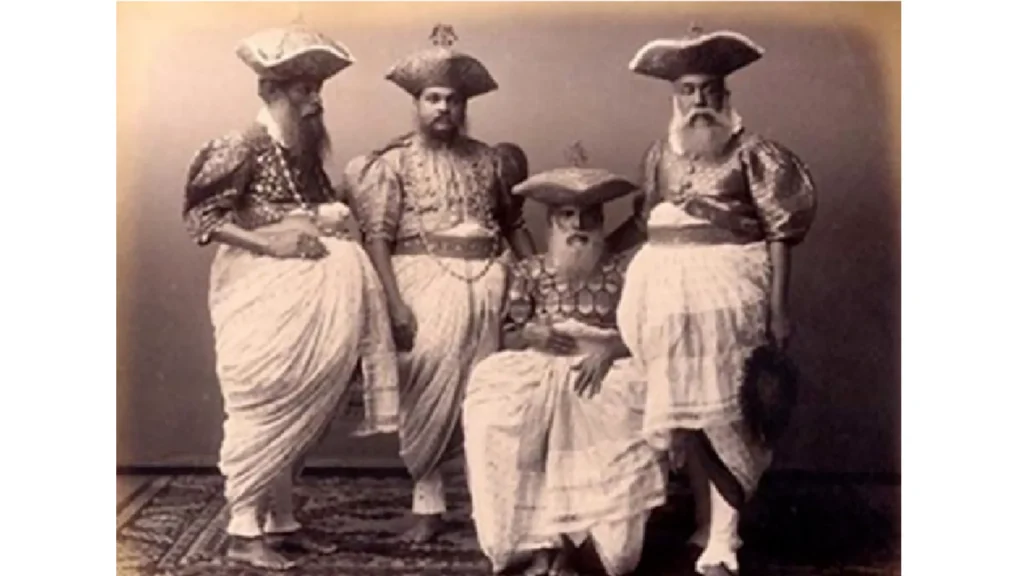
Today, these historical illustrations and records provide a glimpse into how Sri Lankan communities dressed during earlier centuries.
The Influence of Culture and Trade
Sri Lanka’s location along ancient trade routes exposed the island to many cultural influences from India, Arabia, and Europe. Historians believe the Cambay attire was shaped through these interactions, blending local traditions with foreign textile styles and tailoring methods.
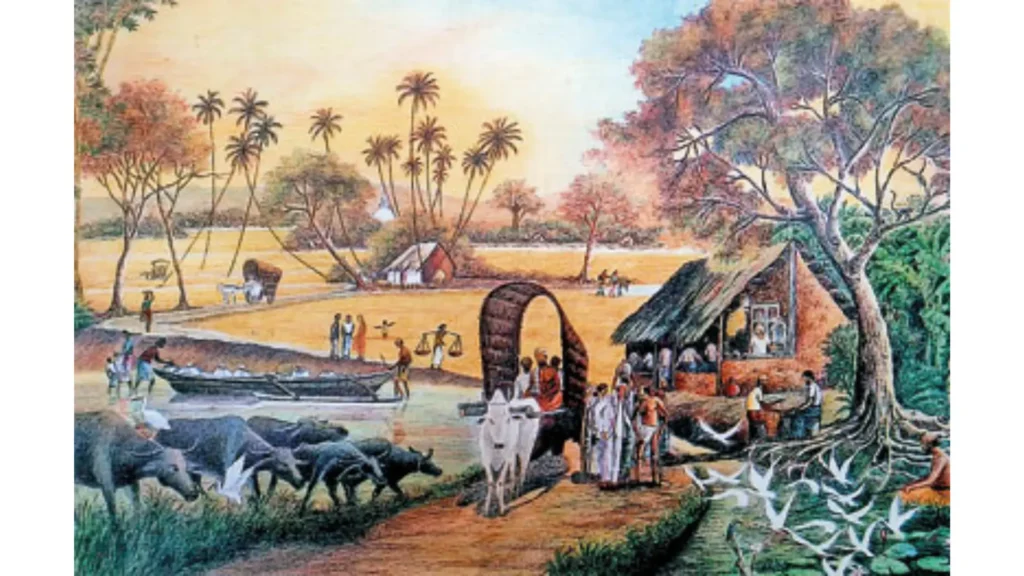
Different regions of the island developed slight variations in dress, fabrics, and accessories depending on climate, occupation, and cultural background. Coastal communities often adopted lighter materials, while aristocratic families preferred richly decorated garments and jewellery.
The attire became more than clothing — it symbolised identity, social standing, and cultural belonging.
Women’s Traditional Fashion and Social Status
Historical records describe how the length and style of women’s Cambay attire often reflected their place within society. Some women wore long flowing garments reaching the ankles, while others wore shorter versions depending on customs and social class.
Jewellery, hair decorations, and embroidered fabrics were commonly used to complete the appearance. Women from noble or wealthy families often dressed more elaborately, showcasing fine craftsmanship and textile artistry.
These garments not only reflected beauty and fashion but also highlighted the cultural traditions and values of Sri Lankan society during the time.
Men’s Attire and Everyday Elegance
Men also wore variations of the Cambay attire, often paired with wrapped lower garments, jackets, or decorative waist cloths. The clothing was designed to suit Sri Lanka’s tropical climate while still maintaining a dignified and elegant appearance.
Historical illustrations show how attire varied between noblemen, village leaders, workers, and traders. Simpler versions were worn for daily activities, while ceremonial occasions featured more decorative fabrics and ornaments.
The attire reflected a balance between comfort, cultural identity, and social tradition.
Preserving Sri Lanka’s Fashion Heritage
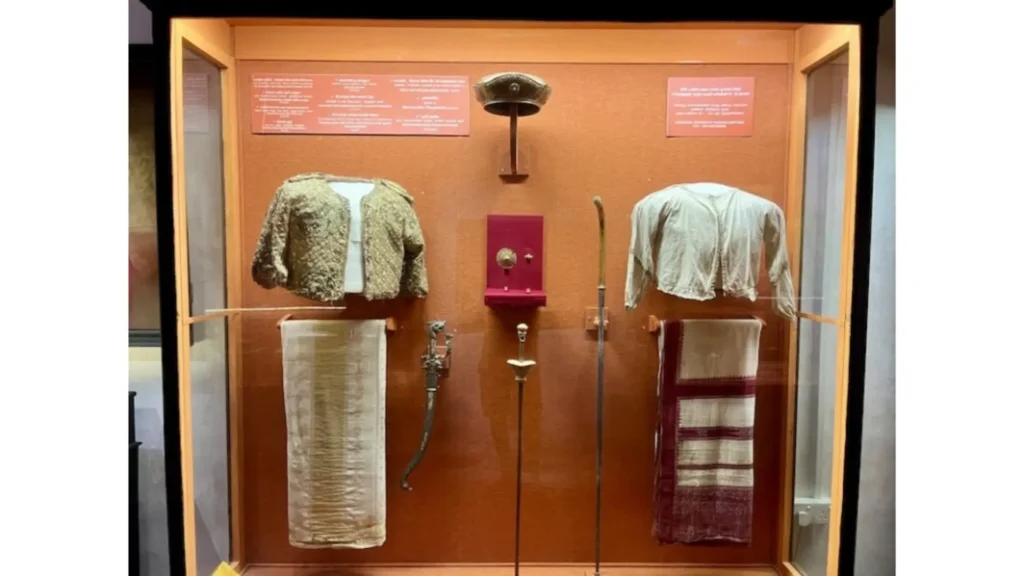
Although modern fashion has replaced many traditional styles, Sri Lanka’s historical attire continues to inspire artists, historians, designers, and cultural enthusiasts. Museums, old illustrations, and historical records help preserve knowledge about these unique garments and the stories behind them.
Traditional textile techniques, embroidery patterns, and handcrafted accessories still survive in certain parts of the island, connecting present generations to Sri Lanka’s artistic heritage.
For travellers interested in history and culture, learning about traditional attire offers a deeper understanding of Sri Lanka’s evolving identity through the centuries.
Discover Sri Lanka’s Cultural Heritage with SL VOYO
At SL VOYO, we believe Sri Lanka’s history is woven into every tradition, artwork, and cultural practice found across the island. Exploring the story of traditional Cambay attire reveals the elegance, diversity, and creativity of Sri Lanka’s past.
Let SL VOYO guide you through Sri Lanka’s timeless traditions, hidden stories, and unforgettable cultural journeys.
Table of Contents
Tours you might like
We care about our people. That’s why we offer Heartfelt Expedition
What is it?
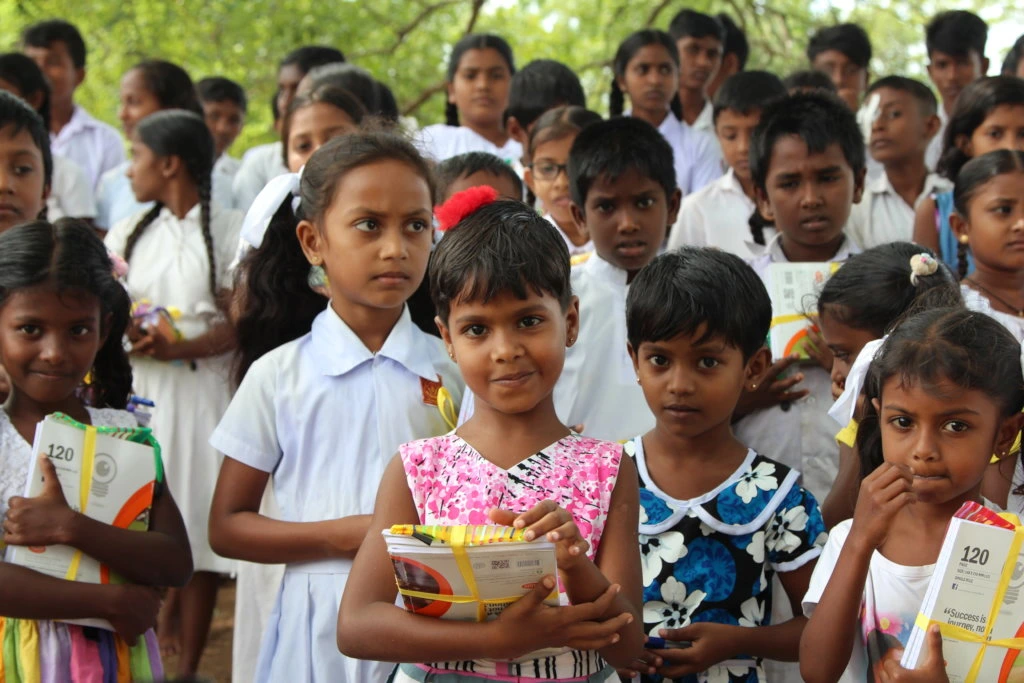
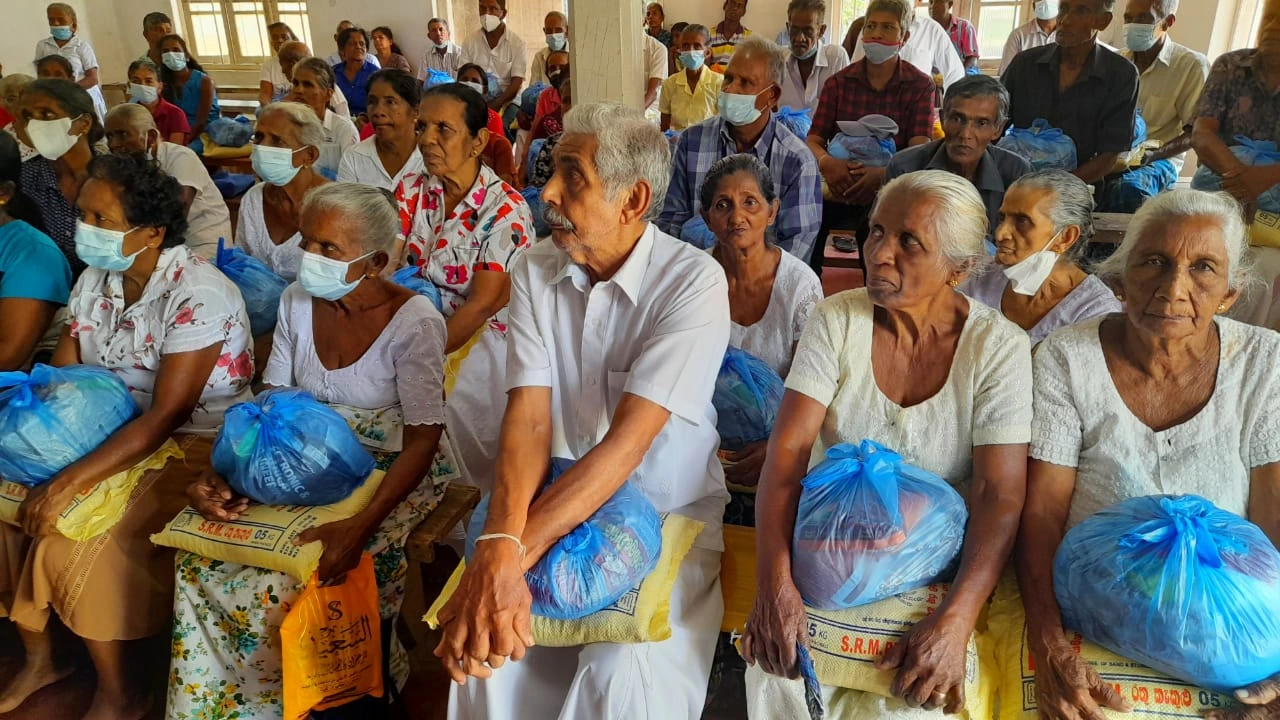
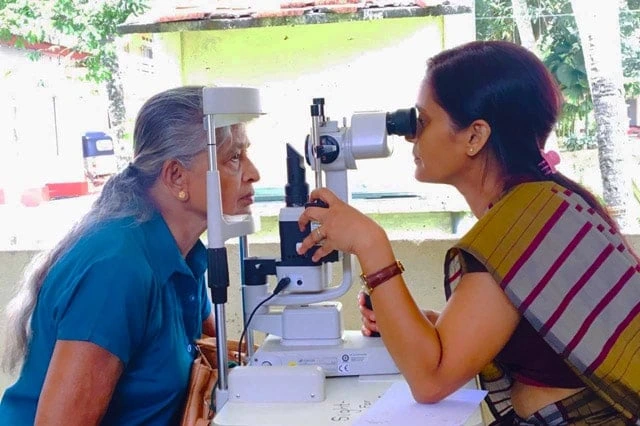
Google Ranked #1, the Heartfelt Expedition is a unique tour that invites tourists to personally engage in charitable events from the perspective of a local donor. Participants will be involved in school initiatives, elderly adoption, and community assistance throughout Sri Lanka.
Discover authentic culture and make a difference by helping local communities.