Galle is an important coastal destination in Sri Lanka and can easily be included at any stage of your journey. From here, travellers can go east to beach towns like Mirissa and Tangalle, or travel inland to rainforest attractions such as the Sinharaja Forest Reserve. This makes Galle a natural gateway between the island’s southern coast and its rich natural landscapes, while also offering a relaxing and scenic stop along the way.
Galle is best known for the historic Galle Fort, a symbol of colonial heritage where Portuguese and Dutch influences shaped the city’s unique character. Today, this well-preserved fort is one of the most famous landmarks in Sri Lanka, making Galle the cultural heart of the island’s southern coast.
At SL VOYO, Sri Lanka’s first travel platform, we help travellers discover Sri Lanka through experiences that go beyond basic sightseeing. Whether you are joining our Sri Lanka tours or planning your own adventure, this is our friendly guide to the top things to do in Galle.
By visiting the city of Galle, you can experience the rich history, culture, and coastal beauty of Sri Lanka. Surrounded by scenic beaches and historic streets, Galle offers a peaceful escape from the busy life of other cities. The calm waters along the fort walls, the stunning views from the ramparts, and the charming colonial architecture within Galle Fort make it a must-visit destination.
The Galle Festival, held annually in the city, is one of the most popular cultural events for tourists. It features traditional music and dance, vibrant parades, and beautifully decorated elephants, celebrating the city’s heritage and lively coastal culture.
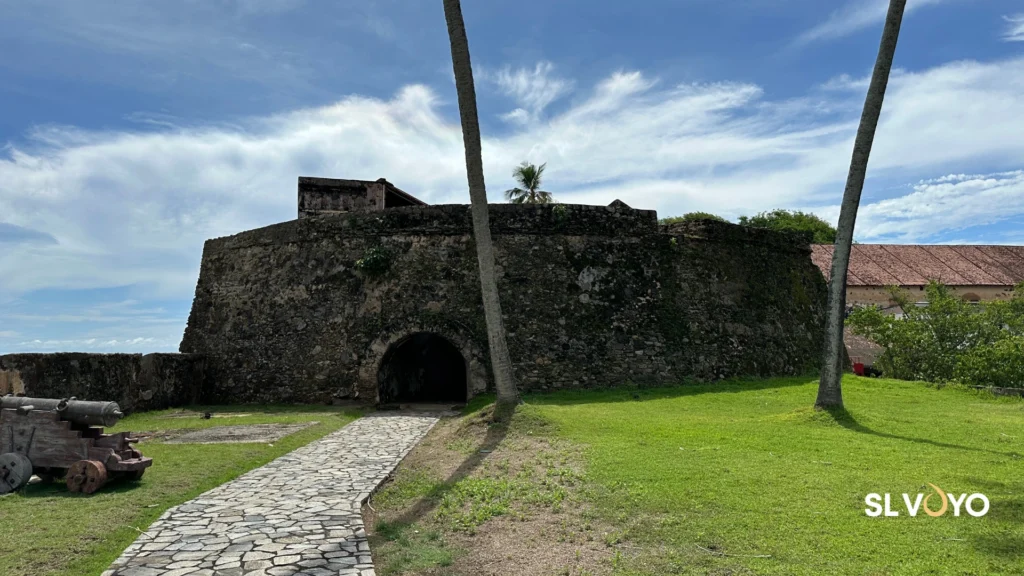
A bastion is an exciting part of a fort that juts out from the main walls, offering stunning views and a unique vantage point. Galle Fort is home to 14 historic bastions, built during the Dutch colonial period to protect the fort and provide lookout points. Today, these bastions are not only an important part of the fort’s history but also perfect spots to enjoy breathtaking views of the surrounding city, coastline, and Indian Ocean.
The Sun Bastion is the first bastion you’ll encounter when entering Galle Fort, and it’s truly one of the fort’s most iconic and scenic spots. From here, you can marvel at panoramic views of the sparkling ocean and the charming streets of Galle. Built in the 17th century by the Dutch, it faces the rising sun, symbolizing a new day for the fort’s defense. The bastion’s large cannon openings add a touch of history, letting you imagine life during the colonial era while taking in the incredible scenery.
Nearby, on the left side of the road, is Galle’s vibrant local fish market. Located close to the beach, this bustling market has been a vital part of the town’s economy for centuries, where fishermen sell fresh catches daily. You can explore a variety of fish and seafood, getting a taste of the area’s rich maritime culture. The adjacent fishery harbor adds to the charm, showing how local fishermen continue to thrive in this historic coastal town. Visiting the Sun Bastion and the nearby market is not just a sightseeing trip. it’s a journey into Galle’s history, culture, and coastal life, making it a must-visit destination for anyone exploring Sri Lanka.
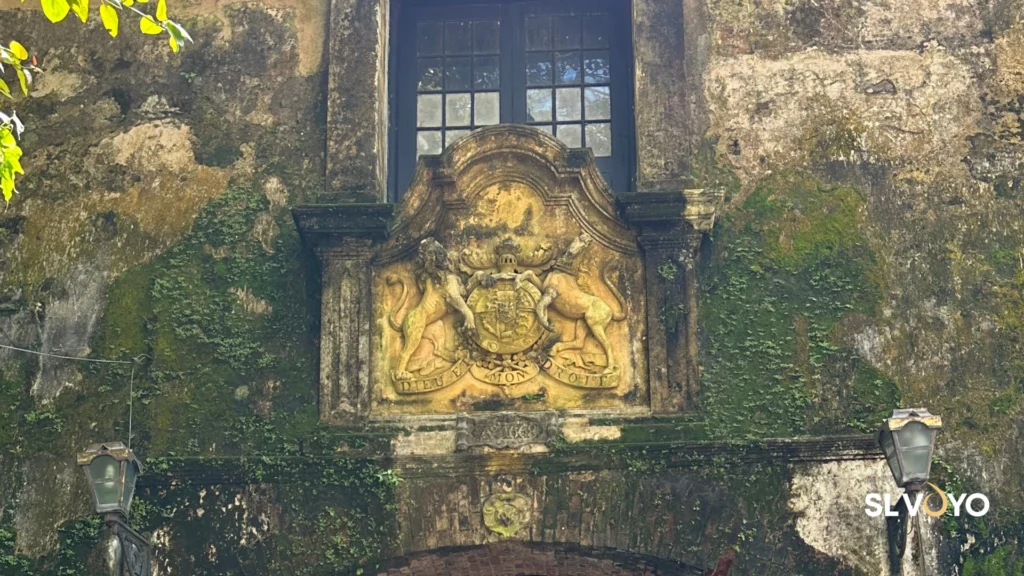
The Old Gate, located to the left of the northern wall of Galle Fort, is a fascinating remnant of the Portuguese era and the only surviving structure from their original fortifications. Today, it is part of a two-story building that houses the National Maritime Museum, offering visitors a glimpse into the layers of colonial history that shaped the fort.
On the outer face of the gate, a British coat of arms is carved at the top, marking the British influence during their rule. In contrast, the inner face features a 1669 inscription with the initials “VOC”, representing the Dutch East India Company (Verenigde Oostindische Compagnie). The inscription is flanked by carvings of two lions with a rooster in the center, reflecting the authority, artistry, and rich history of the Dutch period.
Nearby is the Vismarkt Bastion, one of the smaller bastions of Galle Fort, named for its location close to the local fish market by the beach. Built by the Dutch and situated between the Commandment and Sun Bastions, it served as a coordination point for soldiers and helped defend the gate at the base of the Sun Bastion. In the 17th century, a building similar in style to the National Museum stood on top, serving as barracks for the soldiers. Later, during British rule, new warehouses and coal sheds were built along the road outside the fort. Visiting the Old Gate and the surrounding bastions is a journey back in time, offering a unique glimpse into Galle Fort’s rich colonial history, making it a must-see destination for history and culture lovers.
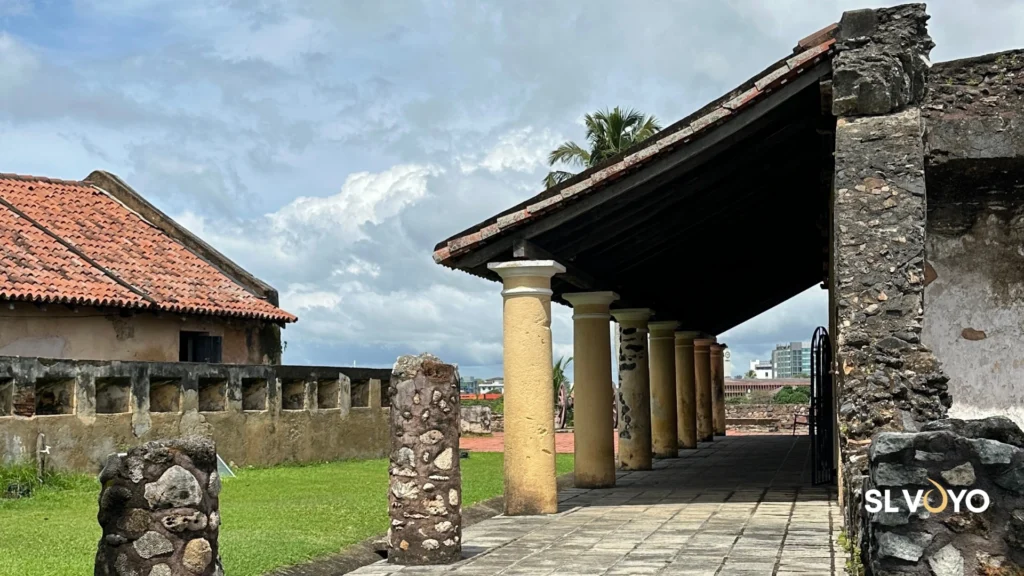
Step into history at the Zwart Bastion, also known as the Black Fort the oldest surviving structure inside the famous Galle Fort. Dating back to the 16th century, this remarkable site takes you on a journey through Portuguese and Dutch colonial times.
Originally built by the Portuguese and later expanded by the Dutch in 1640, the Zwart Bastion was once the most powerful and heavily guarded part of the fort. Imagine standing where soldiers once defended the coastline, surrounded by cannons and strong stone walls built for protection.
Explore the two unique levels of the bastion. The upper terrace was once filled with blacksmith workshops, where coal fires burned and cannons were prepared for battle giving the fort its mysterious name, “Black Fort.” Below, discover the underground powder magazine where ammunition was safely stored. Walk through the sloping tunnel that connects the upper and lower levels and experience the clever military design that made this bastion so strong.
Today, for around 1000 rupees, you can visit this historic landmark and explore the Moon Bastion Gallery and the Colonial Wall Gallery. From ancient military secrets to stunning views of the ocean and fort walls, the Zwart Bastion offers a fascinating and unforgettable experience.
Don’t miss the chance to visit one of the most important and historic sites in Galle a place where history truly comes alive.
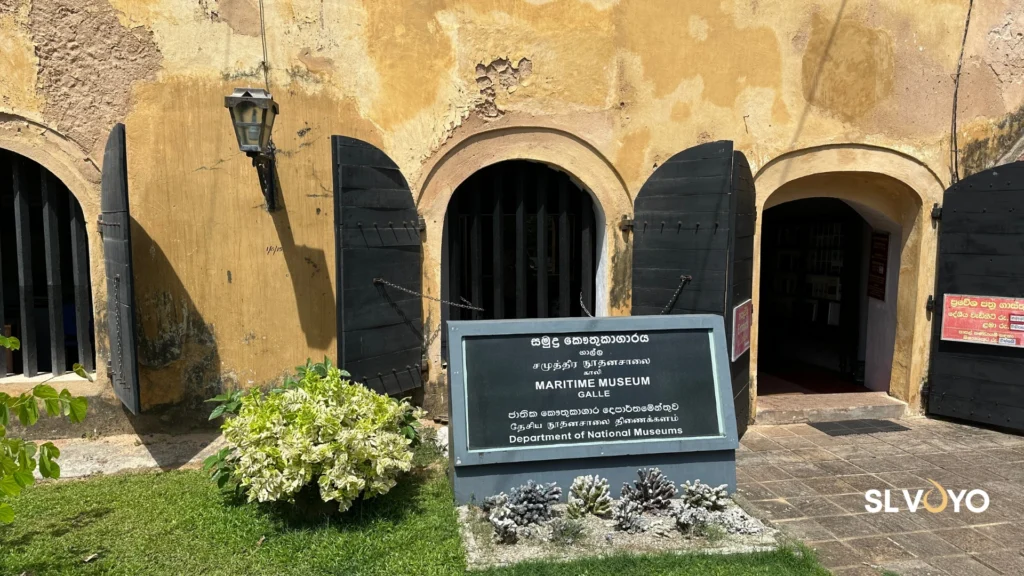
Discover the fascinating world of the sea at the National Maritime Museum, located inside the historic Galle Fort. Set in a beautiful old two-story warehouse near the Old Gate, this unique museum invites you to explore Sri Lanka’s rich maritime history and ocean treasures.
Step inside and travel back in time as you learn about traditional fishing methods that supported coastal communities for centuries. See the impressive collection of oru Sri Lanka’s traditional boats and discover how their clever designs helped sailors navigate the island’s waters.
The museum also brings you closer to Sri Lanka’s amazing marine life. From majestic whales and playful dolphins to coastal sea birds and the beloved sea turtles, you’ll gain a deeper appreciation for the island’s incredible ocean biodiversity.
Whether you love history, culture, or nature, the National Maritime Museum offers an educational and inspiring experience for visitors of all ages. It’s the perfect place to understand Sri Lanka’s strong connection to the sea.
If you are exploring Galle Fort, don’t miss this must-visit attraction. The ticket price for a foreign visitor is only 550 rupees.
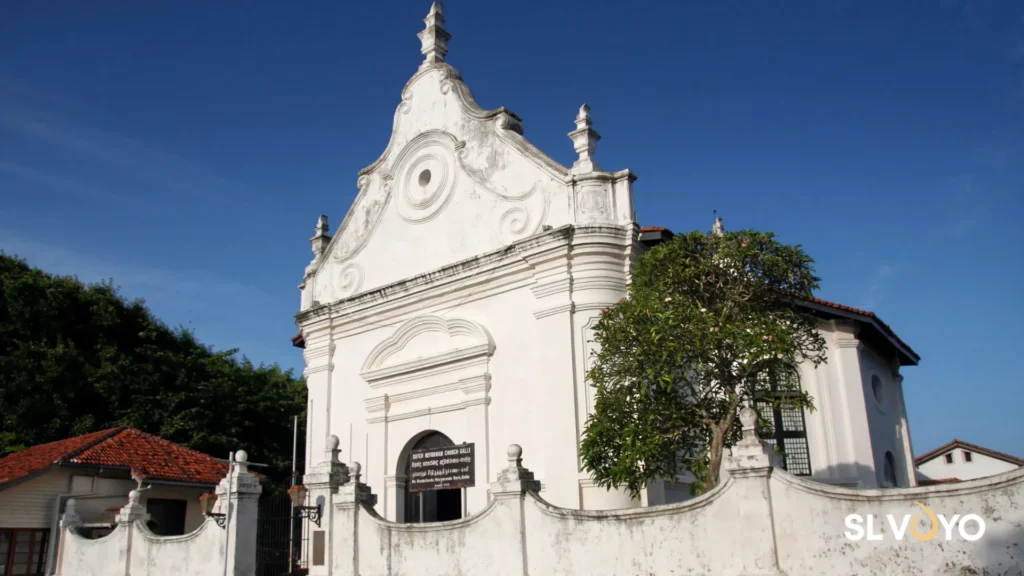
Step into history at the Dutch Reformed Church, also known as Groote Kerk one of the most remarkable landmarks inside the iconic Galle Fort. Built in 1755 during the Dutch period in Sri Lanka, this beautiful church invites you to experience the island’s rich colonial and religious heritage.
Admire the church’s simple yet elegant Dutch-style architecture, featuring a high gabled roof, thick sturdy walls, and impressive wooden doors that have stood strong for centuries. As you step inside, you’ll be captivated by the stunning pulpit carved from rare calamander wood, a dark and richly patterned timber native to Sri Lanka.
Look beneath your feet and discover something truly unique historic tombstones set into the church floor, belonging to prominent Dutch citizens who once lived in Galle. Their engraved inscriptions offer a fascinating glimpse into life during the colonial era.
Take a peaceful walk around the churchyard, where old gravestones and memorial plaques quietly tell stories of the past. The calm and serene atmosphere makes this a perfect place to pause, reflect, and appreciate the lasting legacy of the Dutch in Sri Lanka.
If you are exploring Galle Fort, don’t miss the chance to visit this timeless treasure. The Dutch Reformed Church is not just a building it is a living piece of history waiting to be discovered.
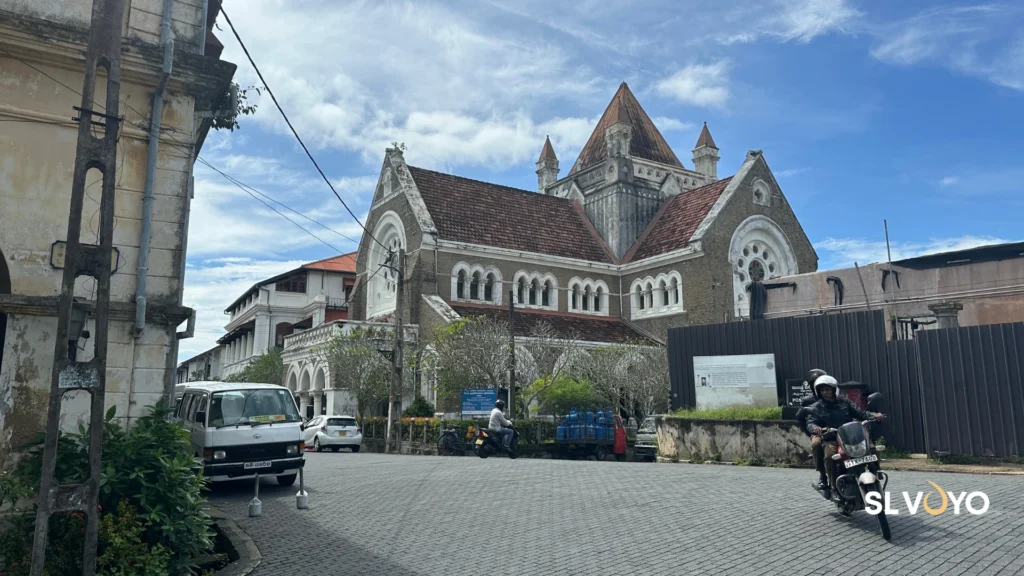
Explore the historic All Saints’ Church in Galle Fort, a beautiful example of Gothic Revival architecture and a symbol of Sri Lanka’s colonial past. Consecrated in 1871 during British rule, the church impresses with its elegant design, pointed arches, intricate stone carvings, and tall stained-glass windows that cast colorful reflections inside.
Inside, polished wooden pews, high vaulted ceilings, and a carved altar create a peaceful, reflective atmosphere. Its unique floor, paved with Dutch colonial gravestones, blends two layers of Galle’s history.
From here, head along Leyn Baan Cross Street to Akersloot Bastion and then to Aurora Bastion near the eastern end of Pedlar Street, close to the harbor. “Aurora” symbolizes the rising sun and the Roman goddess of dawn. This bastion was vital for defending the fort and harbor, offering views of the sea, Rumassala Hill, and nearby watering points. Originally fortified with gates, it served as a strategic lookout to monitor the coastline.
After exploring the bastions, return along Church Street to All Saints’ Church to admire its architecture and peaceful ambiance a must-visit landmark that brings Galle Fort’s rich history to life.
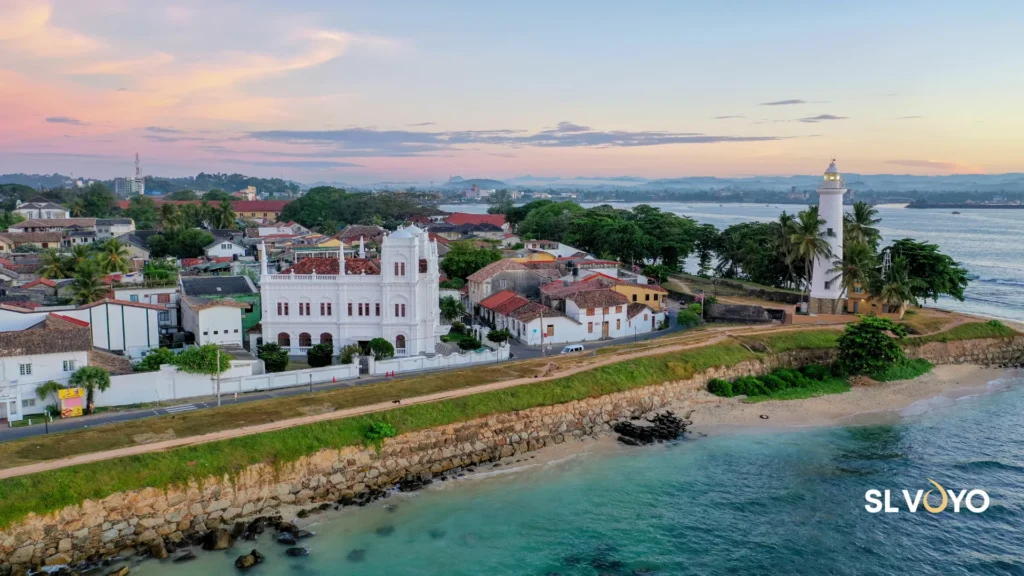
Discover the iconic Galle Lighthouse, perched on the southern tip of Galle Fort and recognized as the oldest lighthouse in Sri Lanka. Originally built by the British in 1848 and rebuilt in 1939 after a fire, this elegant structure continues to guide ships safely into the harbor.
Standing proudly beside the fort walls, the lighthouse offers breathtaking views of the Indian Ocean and the surrounding area. Its strategic location was carefully chosen to provide a clear line of sight to ships navigating busy trade routes. From its base, visitors can enjoy stunning vistas of the coastline, the fort’s bastions, and the ever-changing sea.
Visitors can take leisurely walks around the lighthouse, capture amazing photographs of the ocean and fort, enjoy peaceful moments while watching the waves, and even learn about the history of this historic maritime landmark through information boards. It’s an ideal spot for both relaxation and exploration.
The Galle Lighthouse is more than just a navigational landmark it is a cultural treasure, blending colonial architecture with the natural beauty of the region. Whether you are a history enthusiast, a photographer, or simply someone who loves coastal charm, the lighthouse is a must-visit destination that perfectly captures the spirit of Galle Fort.
Don’t miss the chance to visit this historic and picturesque landmark, where history, architecture, and the beauty of the sea come together for an unforgettable experience.
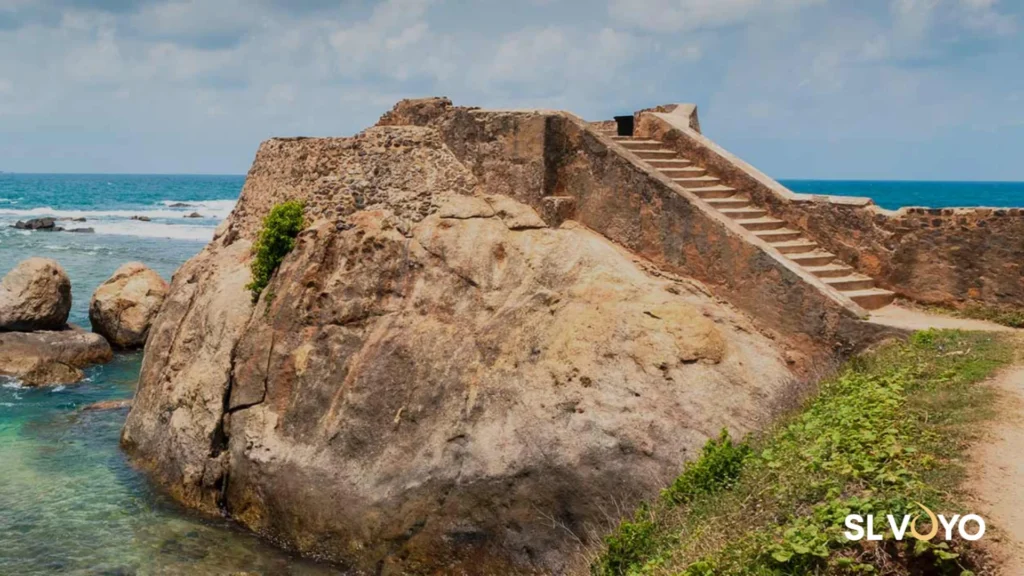
Discover the breathtaking Flag Rock, located at the southernmost tip of Galle Fort one of the fort’s most dramatic and picturesque landmarks. Originally built by the Portuguese as a defensive bastion and later used as a signal point during the Dutch and British periods, Flag Rock is steeped in history and offers a truly unforgettable experience.
The rock earned its name because it once served as a signaling station, where flags warned ships of dangerous reefs in the surrounding waters. Its strategic location provided a perfect vantage point for guards to monitor the coastline and protect approaching vessels, giving you a glimpse into the fort’s historic maritime defense.
Today, Flag Rock is a must-visit spot for travelers. From here, you can enjoy spectacular views of the Indian Ocean, especially during the sunset, when the sky turns golden over the waves. Watch local cliff divers take daring leaps into the sea, adding excitement and adventure to your visit.
Whether you’re a history lover, a photographer, or simply someone who enjoys breathtaking coastal views, Flag Rock promises an unforgettable experience. Don’t miss this chance to explore one of Galle Fort’s most iconic landmarks and capture memories that will last a lifetime.
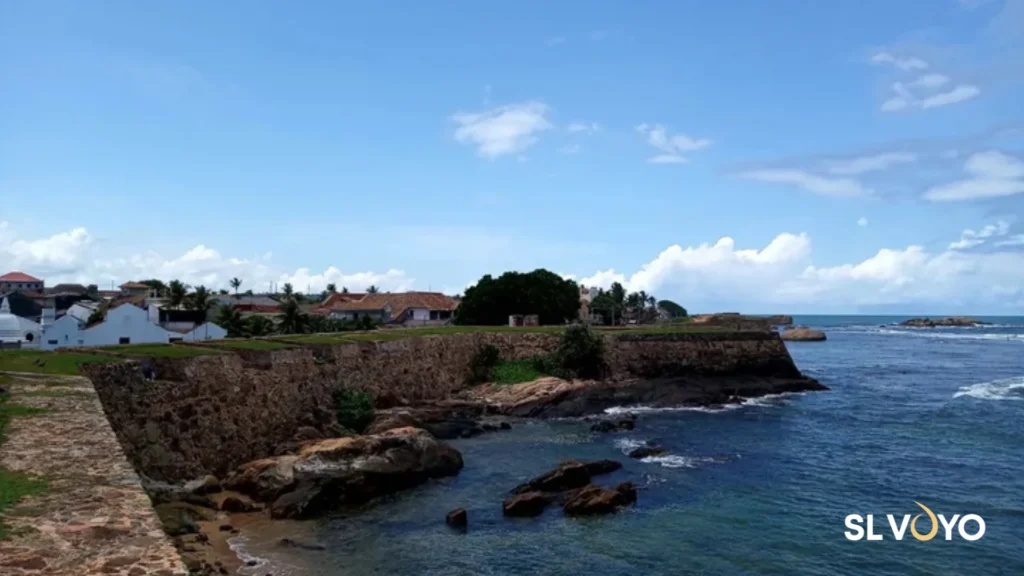
Visit the historic Triton Di Salvor Bastion in Galle Fort, named after Triton, the son of Neptune, the Roman god of the sea. This bastion highlights the deep connection between the fort and the ocean and is a must-see for history and maritime enthusiasts.
Originally, a small windmill here pumped seawater into the fort to clean dusty streets and support drainage. In the mid-19th century, British engineers added clay pipes to carry water from the windmill, showcasing the innovative engineering of the era.
Triton Bastion was also a key defensive point. The Dutch mounted cannons here, later replaced by a powerful 9-inch RML artillery gun that could rotate on steel rails and fire up to 4.3 km, demonstrating impressive military ingenuity. Beneath the bastion lies an underground bunker with three chambers for storing ammunition.
Today, visitors can explore the bastion, admire the historic structures, enjoy panoramic views of the fort and Indian Ocean, watch waves crash against the walls, and capture unforgettable photos. Triton Di Salvor Bastion is a perfect blend of history, engineering, and scenic beauty — an unmissable attraction in Galle Fort.
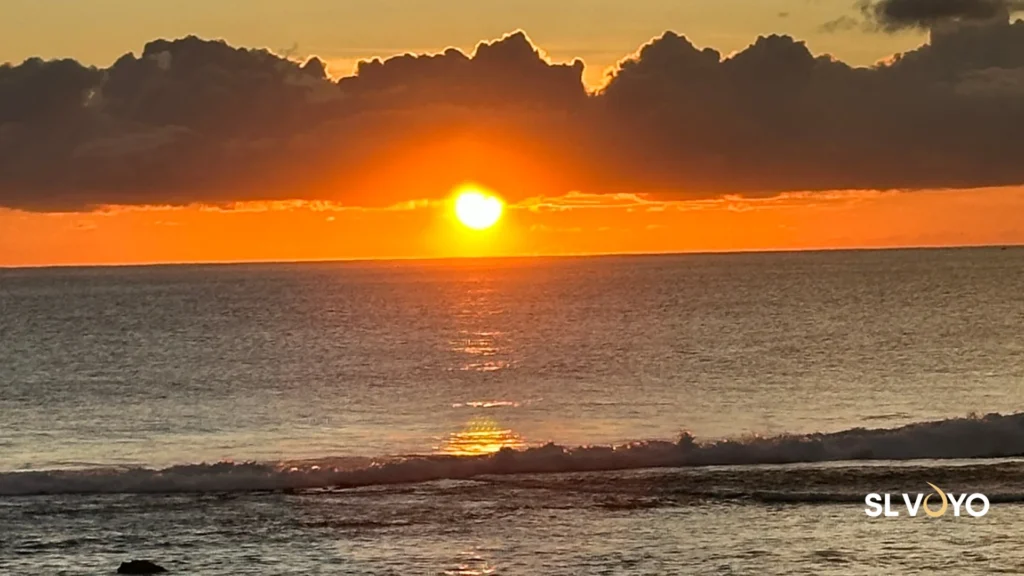
Experience the magic of a sunset on Rampart Street in Galle Fort, where the sky turns fiery orange, soft pink, and deep purple. The golden light reflects on the historic fort walls and the vast Indian Ocean, creating a scene that feels almost timeless. At SL VOYO, our Galle location near the charming Hula Hula Café is the perfect place to relax with a drink or snack while enjoying these breathtaking views. Sunsets here are more than just beautiful—they are a chance to connect with nature, reflect on life, and make unforgettable memories.
Explore the fort’s famous landmarks, including Neptune Bastion, which once protected the fort from naval attacks and now offers a peaceful spot to admire the ocean and historic walls. The Star Bastion, built by the Portuguese in the 16th century as São Anetria to separate the fort from the mainland, was later modified by the Dutch. Its design shows colonial military architecture and strategic planning.
Another must-see is the Galle Fort Clock Tower, built in 1883 to honor Dr. Peter Daniel Anthonisz, a local doctor who dedicated his life to public service. Funded by the people of Galle, the tower rises over 25 meters on the site of the old guardroom, overlooking Moon Bastion and the Galle Cricket Stadium. It was designed by John Henry Guess Landon, and the clock was donated by Mudaliyar Samson de Abrew Rajapakse. The tower represents the legacy of Dr. Anthonisz. Statues added after independence make it a beautiful mix of colonial history and national pride. Today, the clock tower remains a striking landmark and a must-visit site in Galle Fort.
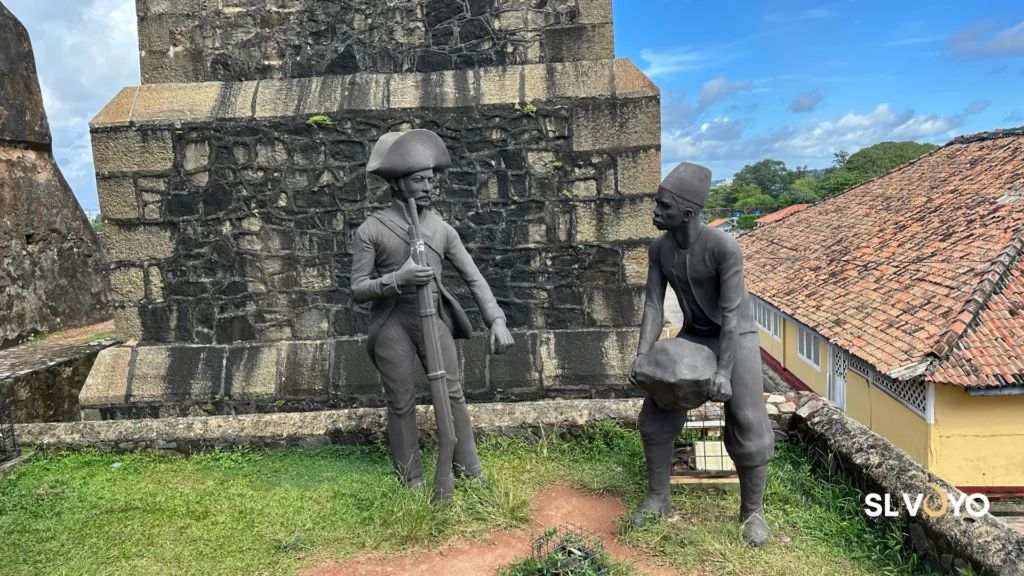
The Moon Bastion is one of the largest and oldest defensive structures within Galle Fort, constructed by the Portuguese in the 16th century and later reinforced by the Dutch in the 17th century. It was strategically positioned at the main entrance of the fort to protect against invasions by land and sea. Designed to withstand heavy artillery attacks, its thick stone walls and elevated platform made it a crucial part of the fort’s defense system.
Historical records indicate that the bastion housed several cannons and served as a lookout point for soldiers guarding the fort. Its strategic significance highlights the advanced military engineering employed by colonial powers during their occupation of Sri Lanka. The Moon Bastion remains an enduring symbol of Galle Fort’s role as a fortified stronghold.
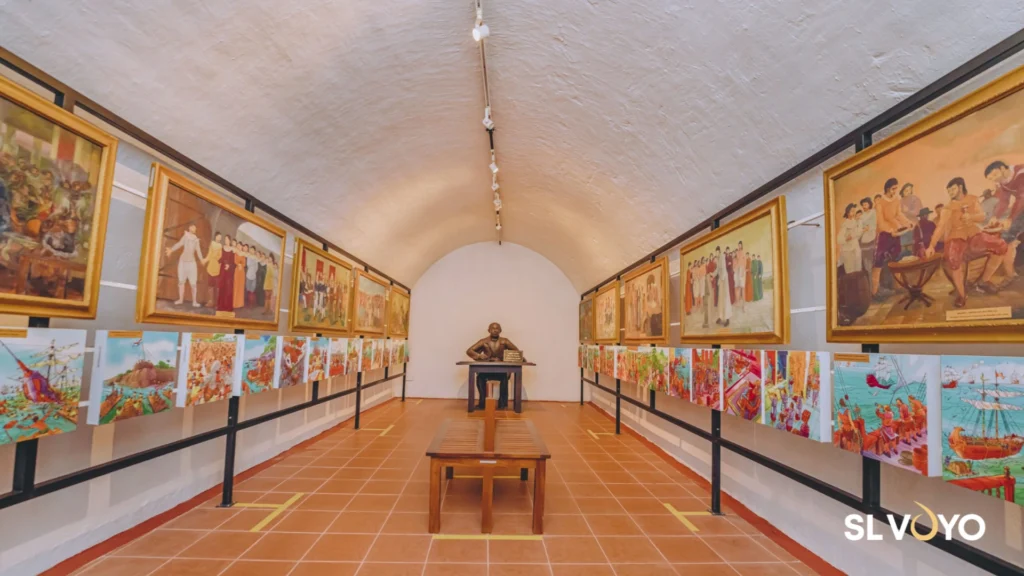
Step inside the Moon Gallery, located within the historic walls of Galle Fort, and explore the artistic and cultural treasures of the region. This gallery showcases a fascinating collection of colonial-era artifacts, traditional Sri Lankan crafts, and historic documents, giving visitors a glimpse into the rich history that shaped Galle over centuries of trade and colonization.
Discover antique maps that trace the evolution of the fort, and see tools and relics from the Dutch and British periods. The gallery also displays stunning artworks that capture the architectural beauty and cultural heritage of Galle Fort. Every corner tells a story of the fort’s role as a hub of commerce and cross-cultural exchange.
Visiting the Moon Gallery is a journey through time a perfect stop for history lovers, culture enthusiasts, and anyone curious about the fascinating legacy of Galle Fort.
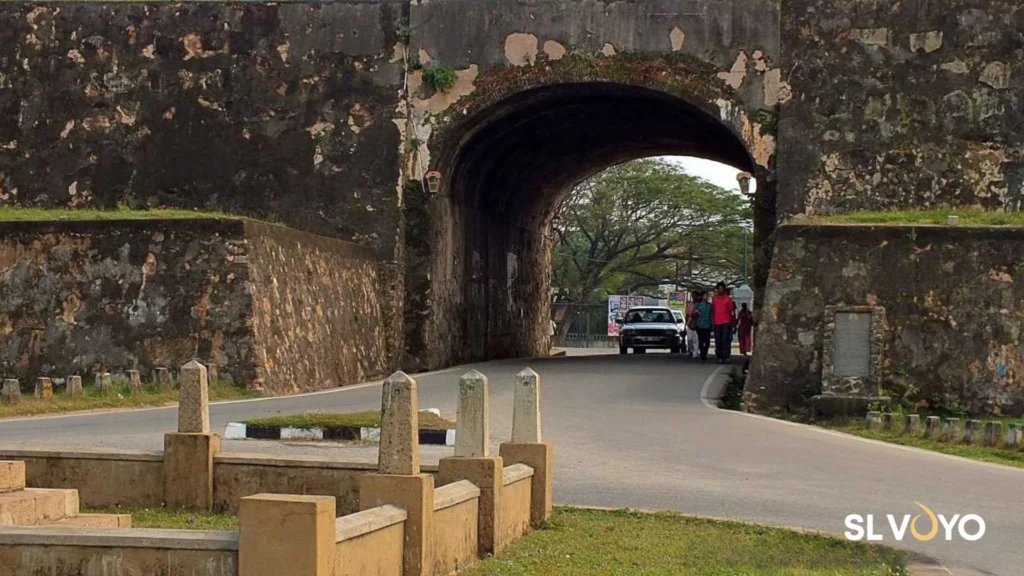
Step through the Main Gate of Galle Fort and walk into history! Originally built by the Portuguese in the 16th century and later strengthened by the Dutch in 1667, this impressive entrance served as the primary access to the fort. Its thick walls and recessed passageway were cleverly designed to defend against invasions, giving visitors a glimpse into centuries-old military engineering.
Look above the gate and you’ll see the coat of arms of the Dutch East India Company (VOC), a reminder of the Dutch colonial influence. During the British period, features like a drawbridge over the moat were added, adding to its historic charm.
Visiting the Main Gate is not just about seeing a doorway it’s about stepping into a story of battles, colonial history, and architectural brilliance. It’s a must-see highlight and the perfect way to begin or end your Galle Fort walking tour.
Galle Fort is home to some of the best dining spots in Sri Lanka, offering a mix of local and international flavours. You can enjoy fresh and healthy bowls at Maru – Poke Bowls, or grab delicious wood-fired pizza at Aqua Forte. For dessert lovers, Glace Fort is a must-visit for creamy ice cream, while Kandos is perfect for a rich chocolate drink. If you’re looking for a relaxed vibe, Pedlar’s Corner Café is great for fresh juices and even offers a balcony view to watch the sunset. Kaffi Galle is another popular café known for its cosy atmosphere, while Indian Hut Heritage serves authentic Indian cuisine. For variety, head to Dutch Hospital, where you’ll find several small restaurants together, making it easy to explore different food options in one place.
The best time to visit Galle is from December to April. During this period, the weather is sunny and ideal for walking around the fort and enjoying nearby beaches.
You can easily reach Galle from Colombo by:
No, entry to Galle Fort is completely free. However, some attractions inside may have fees:
Popular places to visit include:
A half day to a full day is enough to explore Galle Fort. However, staying overnight allows you to enjoy the sunset and experience the evening atmosphere.
Yes, Galle Fort offers a great selection of cafés and restaurants. You can enjoy poke bowls at Maru, pizza at Aqua Forte, and ice cream at Glace Fort. Pedlar’s Corner Café is perfect for juices and sunset views, while Kaffi Galle offers a cosy café experience. For Indian food, try Indian Hut Heritage, and visit Dutch Hospital for a variety of dining options in one place. Kandos is also a great stop for a rich chocolate drink.
Yes, Galle Fort is very walkable. The area has narrow streets, historic buildings, and beautiful ocean views, making it perfect for exploring on foot.
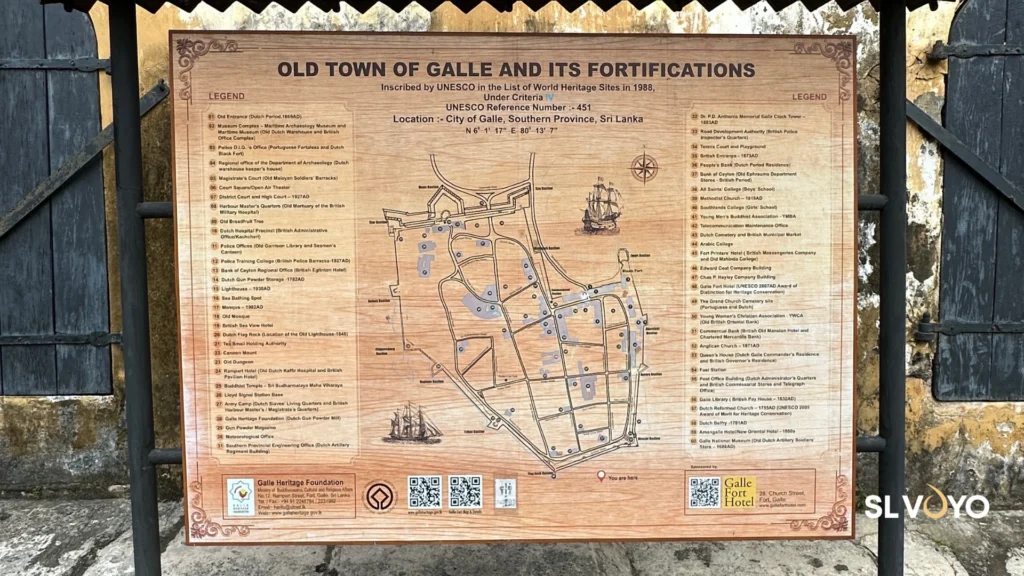
Yes, Galle Fort was designated as a UNESCO World Heritage Site in 1988 due to its well-presed colonial architecture.
Wear light and comfortable clothing. It’s also recommended to bring sunscreen, sunglasses, and a hat due to the hot weather.
Yes, there are several beautiful beaches nearby, including:
What is it?
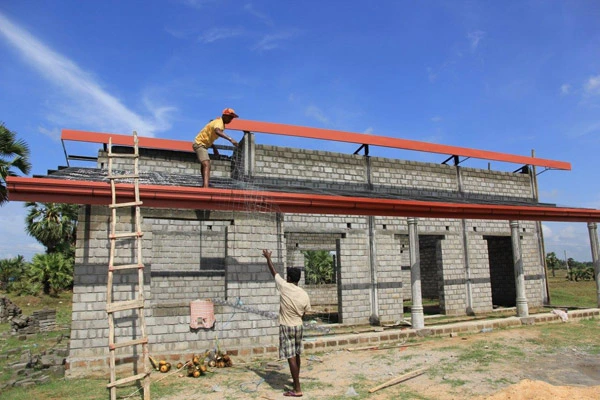
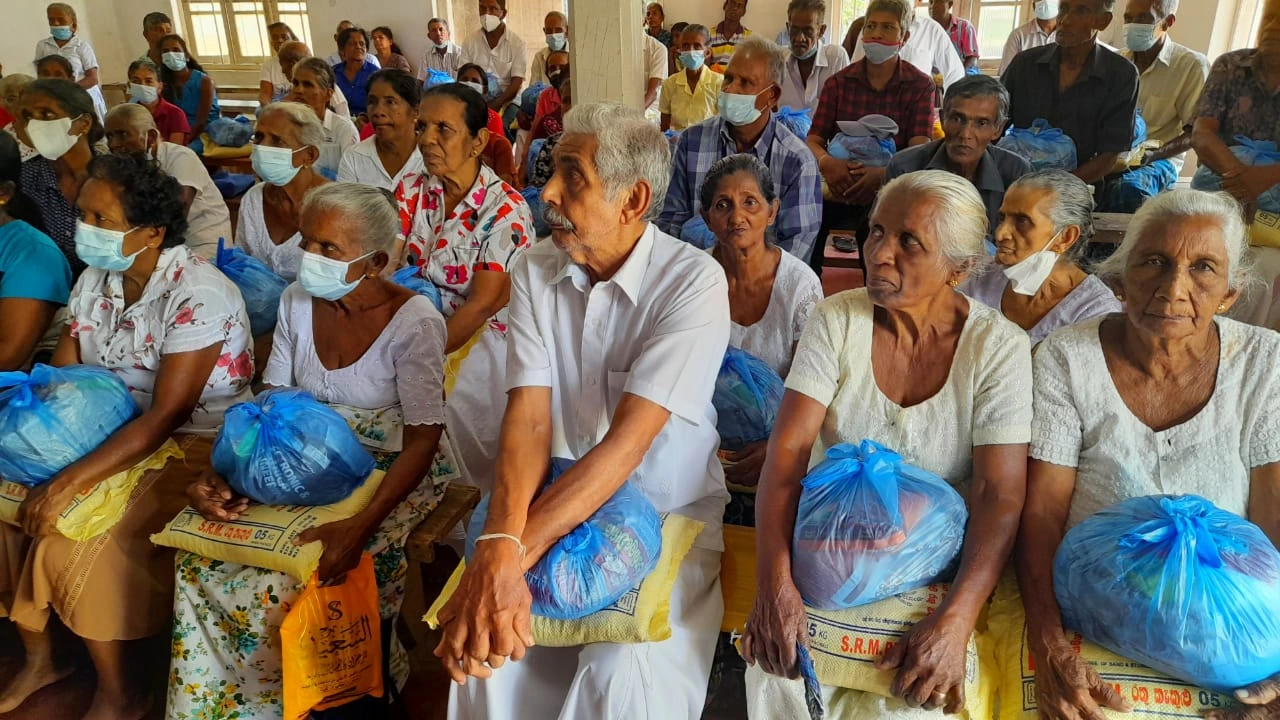
Google Ranked #1, the Heartfelt Expedition is a unique tour that invites tourists to personally engage in charitable events from the perspective of a local donor. Participants will be involved in school initiatives, elderly adoption, and community assistance throughout Sri Lanka.
Discover authentic culture and make a difference by helping local communities.