You can explore Habarana at many stages of your Sri Lanka trip, but this town always surprises visitors with its blend of nature, culture, and wildlife. Set in the heart of the Cultural Triangle and surrounded by lush forests and shimmering lakes, Habarana feels peaceful and immersive, offering a refreshing contrast to the island’s busy coastal cities.
This scenic destination combines thrilling wildlife encounters, ancient heritage, and authentic local experiences. From watching majestic elephants on a jeep safari through Minneriya National Park and taking tranquil boat rides on Habarana Lake to enjoying traditional cultural dance shows and exploring nearby historical treasures like Sigiriya and Dambulla, Habarana gives travelers a true taste of Sri Lanka’s natural and cultural essence.
At SL VOYO, Sri Lanka’s first travel platform, we help travellers go beyond basic sightseeing and experience the island in a more meaningful way. Whether you are joining our tours or planning your own adventure, this is our friendly guide to the top things to do in Habarana.
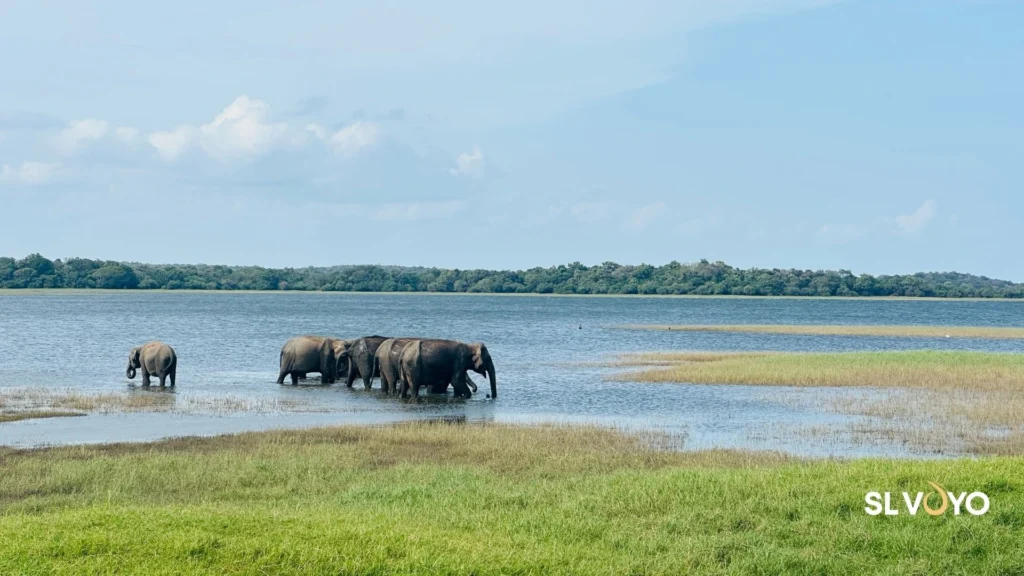
By visiting the town of Habarana, you can experience the rich natural beauty, wildlife, and cultural heritage of Sri Lanka. Set within the heart of the Cultural Triangle and surrounded by lush forests, shimmering lakes, and open plains, Habarana offers a peaceful escape from the busy life of other cities. The tranquil waters of Habarana Lake, memorable jeep safaris through Minneriya and Kaudulla national parks where you can see elephants and diverse wildlife, and the scenic landscape around Pidurangala and Sigiriya make it a must-visit destination.
From here, you can also embark on village tours that reveal traditional Sri Lankan rural life, explore nearby ancient wonders such as the Sigiriya Rock Fortress and Dambulla Cave Temple, or enjoy boat rides and birdwatching on the lake.
Whether you are a lover of nature, history, or wildlife, Habarana offers a unique blend of all three. It is a place where tradition and wilderness thrive, offering visitors an unforgettable Sri Lankan experience.
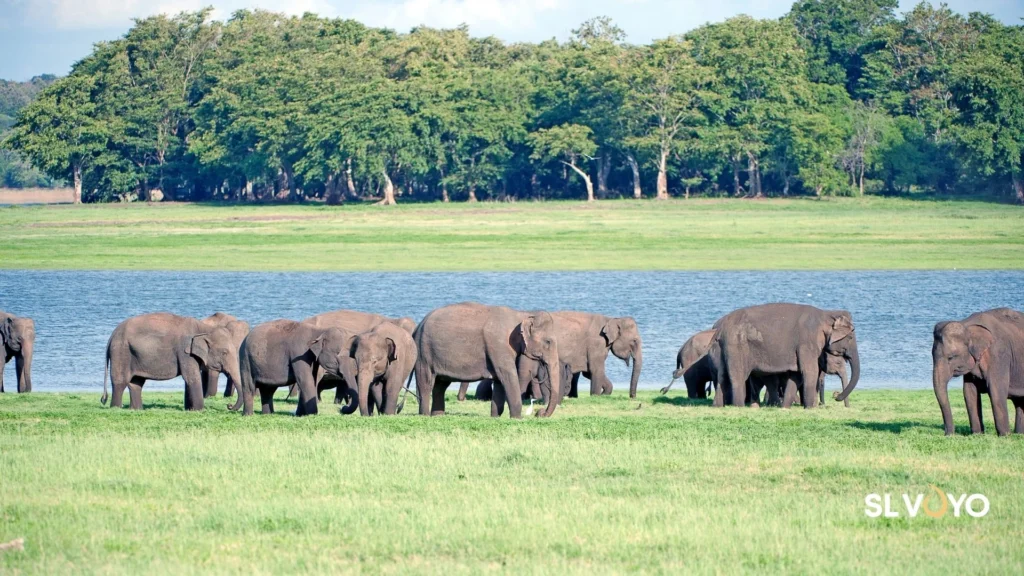
Minneriya National Park’s history blends ancient engineering with modern conservation. It is centred around the massive Minneriya Tank, which was built by King Mahasen in the 3rd century AD for irrigation and later became vital for wildlife. This importance led to its declaration as a Wildlife Sanctuary in 1938, and in 1997, it gained National Park status, protecting its diverse species and the world‑famous dry‑season “Elephant Gathering.”
Each safari tour lasts about three hours and starts from the park entrance on the Habarana–Polonnaruwa Road. The period from October to March is a good time to visit Minneriya National Park. Minneriya National Park ticket prices for foreigners are around $25–$35 USD for entrance. The park generally operates daily from 6:00 AM to 6:00 PM (or 6:30 PM). Morning safaris usually start at about 6:00 AM, while afternoon safaris begin around 2:00 PM or 3:00 PM, offering approximately three‑hour drives to see the famous elephant gatherings, especially during the dry season, such as July and August. The last ticket purchase is usually around 5:00 PM, so plan to enter well before closing time. Early mornings are generally best for bird watching, and late afternoons are ideal for seeing elephants.
Minneriya National Park is a beautiful place with green forests, grasslands, and wetlands that support many kinds of wildlife. Besides elephants, the park is home to animals such as leopards, sloth bears, sambar and spotted deer, purple‑faced langurs, and toque macaques, giving visitors exciting chances to see them on safari drives. Birdwatchers can enjoy more than 160 types of birds, including painted storks, spot‑billed pelicans, and Sri Lankan junglefowl. Reptiles such as mugger crocodiles, monitor lizards, and pythons also live in the park, adding to its amazing variety of wildlife. With its lovely scenery and rich ecosystems, Minneriya offers nature lovers a memorable wildlife experience.
You can see hundreds of elephants at Minneriya National Park, especially during the dry season (June–September) when the famous “Gathering” occurs, with up to around 300 elephants gathering around the Minneriya Tank for water and food, a truly spectacular event. You can spot elephants year‑round, but the dry season offers the largest concentration, making it one of the best places in Sri Lanka to watch wildlife. Even though this visit is exciting, getting close to elephants can be a bit dangerous, so follow proper safety instructions and enjoy your trip carefully. Also, don’t forget to take beautiful photos when you visit this place. translate into Sinhala
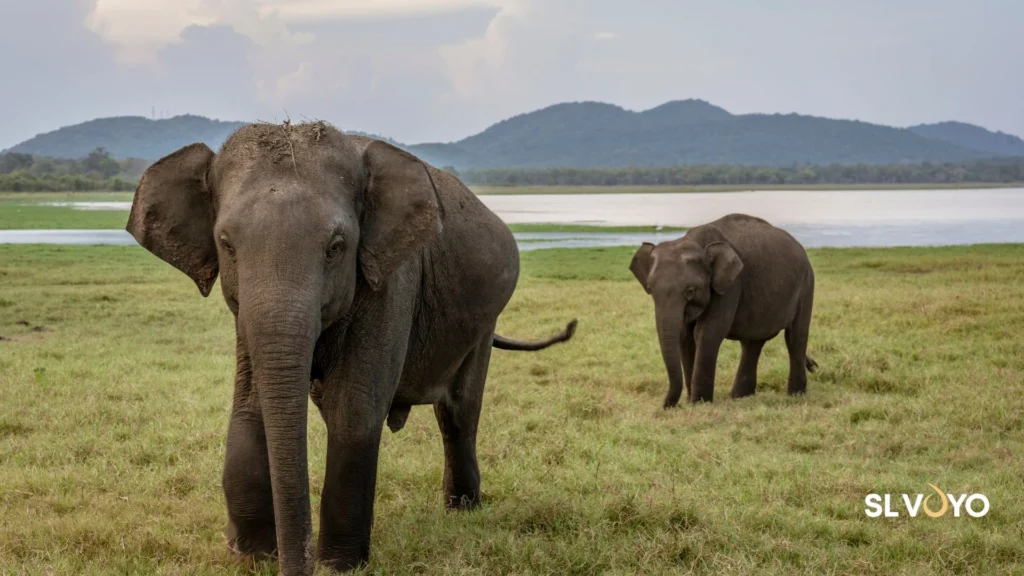
Kaudulla National Park is in the Polonnaruwa District of Sri Lanka’s North Central Province, about 197 km from Colombo, and close to towns like Habarana. The park is an important part of the elephant corridor that connects it with Minneriya and Wasgamuwa National Parks, allowing elephants to move between habitats. Kaudulla’s history is linked to the ancient Kaudulla Tank, which was built by King Mahasen in the 3rd–4th century AD as part of Sri Lanka’s advanced irrigation system. After being unused for many years, the tank was restored in 1959. On April 1, 2002, the area was declared Sri Lanka’s 15th national park. Today, the park protects this important elephant corridor and a rich variety of wildlife, and it is especially well known for its large gatherings of elephants during the dry season
The park is generally open from 6 AM to 6 PM every day. The entrance fee for Kaudulla National Park for foreigners is usually around USD 25–35 per person, but this only covers park entry. There are additional charges for the jeep, driver, service fees, and tax, so the total cost of a safari can often be around USD 75–100+ per person, depending on the tour operator and what is included.
The best time to visit Kaudulla National Park, especially for the famous “Gathering” of elephants, is during the dry season from July to October or November, with the peak months around August and September when the water in the Minneriya–Kaudulla tank system goes down, and hundreds of elephants come to graze. While elephants can be seen at Kaudulla throughout the year, the dry season offers the most impressive sightings. Late afternoons (around 2:30 PM to 6:00 PM) are ideal for safaris to see the elephants at their most active.
The park is also home to many other animals such as sambar deer, spotted deer, wild boar, golden jackals, and even the rare Sri Lankan leopard, adding to its rich wildlife. Birdwatchers can enjoy spotting more than 160 species of birds, including painted storks, spot-billed pelicans, and eagles, while reptiles like crocodiles, monitor lizards, and other reptiles live in the wetlands and grasslands, making Kaudulla a rich and unforgettable place for nature lovers. Even though this visit is exciting, getting close to wild animals can be a bit dangerous, so follow proper safety instructions and enjoy your trip carefully. Also, don’t forget to take beautiful photos when you visit this place.
Hurulu Eco Park is located in Sri Lanka’s North Central Province, near the town of Habarana, serving as an important part of the Hurulu Forest Reserve, and is a key corridor for elephant migration between Minneriya and Kaudulla National Parks. It’s situated along the Habarana-Trincomalee Road.
For Hurulu Eco Park, expect to pay around USD 18–25 per person for the entrance fee, plus additional costs for the jeep and guide, which are often included together in tour prices. When bundled in a safari tour package, the total cost is usually around USD 40–75 or more per person, depending on the operator and what is included, with children often paying a reduced rate.
The park’s dry evergreen woods, open grasslands, and seasonal waterholes create a natural landscape where wildlife thrives. Visitors can see wild elephants moving freely through the forest, as well as other animals like deer, jackals, and monkeys, often in quiet, less‑crowded settings than larger national parks. The park also offers rich birdlife with many colourful and native bird species, making it a great place for birdwatchers. The scenic views, natural sounds, and chance to see animals in their own habitat make Hurulu Eco Park a memorable nature experience for anyone who loves wildlife and peaceful outdoor beauty.
Even though this visit is exciting, getting close to wild animals can be a bit dangerous, so follow proper safety instructions and enjoy your trip carefully. Also, don’t forget to take beautiful photos when you visit this place.
Key Details:
Only licensed safari jeeps are allowed inside the park, and private vehicles are not permitted.
Wear light, comfortable clothes in neutral colours so you don’t scare the wildlife.
Bring sun protection (hat, sunscreen, sunglasses) and plenty of water because it can get hot.
Take binoculars and a camera with a zoom lens for better wildlife viewing.
Follow your guide’s instructions and stay inside the jeep for safety.
Stay quiet and calm during the safari, because loud noises can scare the animals away.
Respect the animals by not feeding them, touching them, or disturbing their natural behaviour.
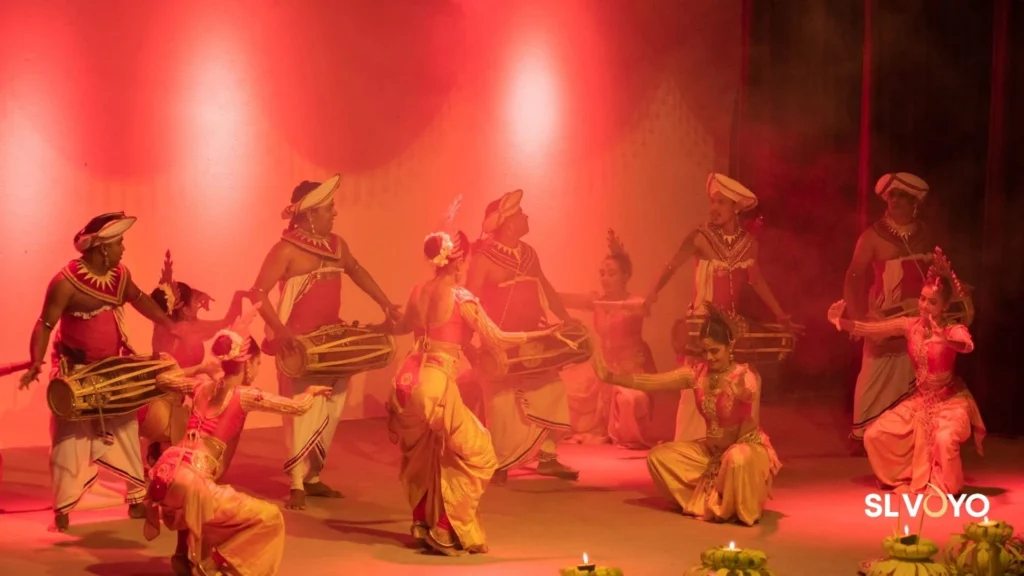
The Habarana Cultural Dance Show takes place at the Habarana Cultural Centre on Meegaswewa, Dambulla Road in Habarana, Sri Lanka. This venue is in the heart of the Cultural Triangle and is easy to reach from nearby towns like Sigiriya, Dambulla, and Polonnaruwa. Shows are performed daily, usually starting around 6:00 PM and lasting about 1–2 hours, making it a perfect evening activity after sightseeing.
The performers are highly skilled local dancers and musicians, with more than 35 artists taking part in each show. Many of them are professionally trained and come from surrounding regions, bringing a mix of experience and traditional upbringing to the stage. The dancers wear colorful costumes and present stories and movements that reflect Sri Lankan culture and heritage.
During the show, you will hear powerful drumming and traditional music that accompany various Sri Lankan dance styles such as Kandyan dance, devil dance, and fire dance. These performances are rich with rhythm and energy, and they showcase centuries‑old dance methods that blend indigenous traditions with theatrical flair, making the show both entertaining and culturally meaningful.
Ticket fees are generally affordable, with adult prices usually around USD 8 (or about LKR 3,600) and children often paying less (around USD 4), though prices may vary slightly by provider. Visitors can take photos, learn about traditional dance and music, and sometimes interact with performers after the show. While the Cultural Centre does not have a full restaurant, there are often refreshments and light food available nearby or at the venue, so you can enjoy a snack or drink before or after the performance.
Arrive early before the show starts so you can get good seats and settle in comfortably.
Confirm the exact show time with your hotel or tour provider since it can vary slightly.
Book your tickets in advance in peak tourist seasons so you don’t miss out.
Bring a camera to take photos of colourful costumes and lively performances.
Keep your voice and noise low during the performance to avoid distracting performers.
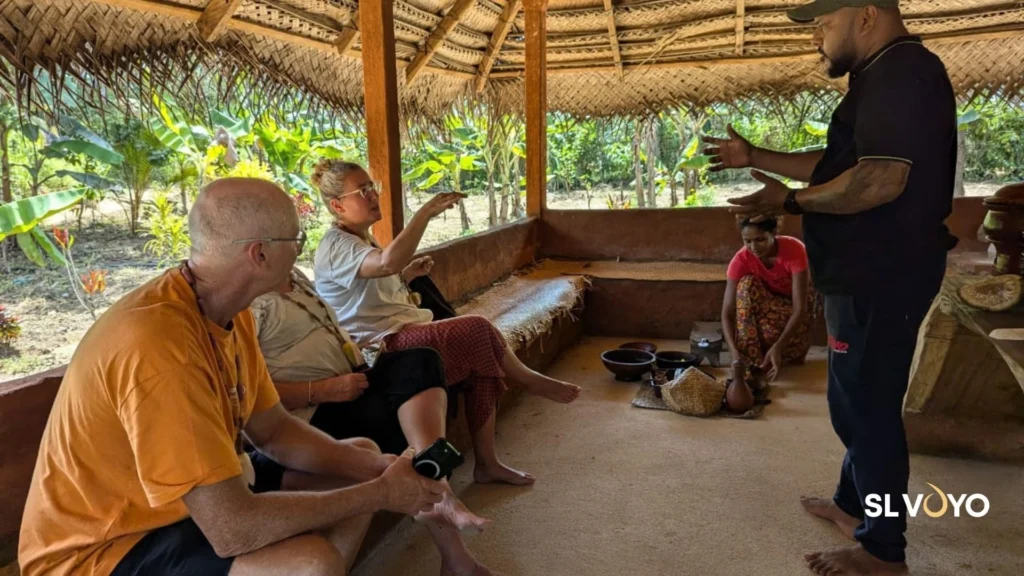
Experience authentic Sri Lankan village cooking in a traditional rural home, where you learn to prepare classic local dishes using clay pots and firewood in a hands-on session. You can choose to visit a local market first to see fresh ingredients and spices up close, then return to the village kitchen to cook with friendly local hosts who share food stories, traditions, and even songs. Enjoy a freshly cooked village-style meal that you helped make, accompanied by refreshing cocktails or beer in a peaceful countryside setting surrounded by nature. This immersive experience offers a wonderful taste of Sri Lankan culture, food, and hospitality all in one memorable activity.
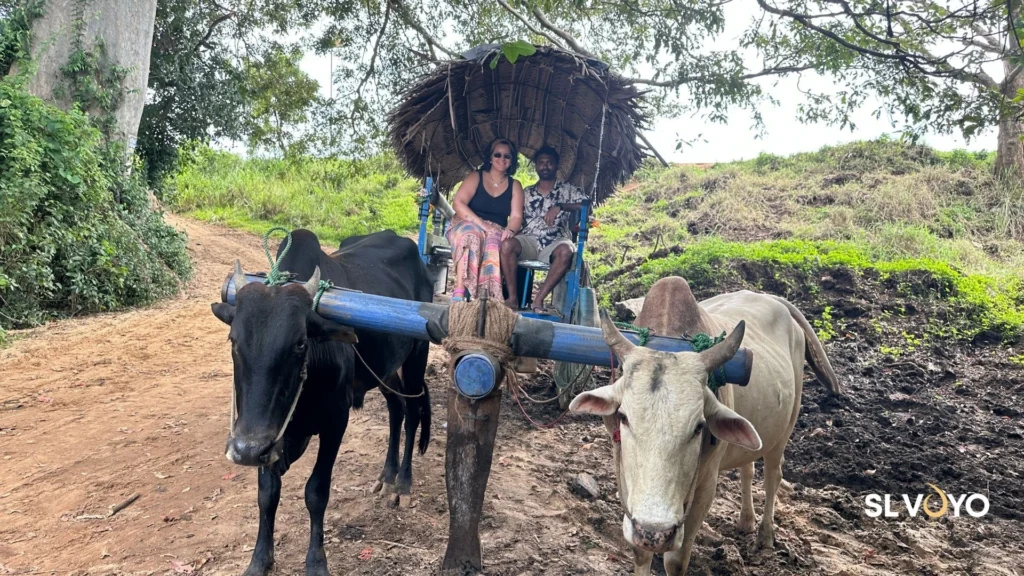
Experience the true charm of rural Sri Lanka with the Habarana Authentic Village Tour, a peaceful and memorable journey into village life. Begin your experience with a relaxing catamaran boat ride across a calm lake, where you can enjoy beautiful views of Sigiriya Rock and Pidurangala in the distance. Visit a real village and learn how traditional houses are built using mud, clay, and natural materials passed down through generations.
During the tour, you will take part in everyday village activities that are still practised today. Watch and try weaving coconut palm leaves used for roofing village homes, and enjoy a hands-on village cooking session. With friendly local guidance, you will help prepare authentic Sri Lankan rice and curry and learn about local ingredients and cooking methods.
The experience continues with a peaceful bullock cart ride through green rice fields and tree-lined village paths. A guided village walk, cultural demonstrations, and a delicious home-cooked Sri Lankan lunch are included. Bottled drinking water, a local guide, and a translator are provided to make your experience comfortable and enjoyable. This tour is perfect for travellers who want to connect with nature, culture, and the warm hospitality of Sri Lankan village life.
Ella is a small town in the Badulla District of the Uva Province in Sri Lanka.
Ella is famous for its beautiful mountain views, tea plantations, waterfalls, and hiking spots.
The best time to visit Ella is from January to April, when the weather is pleasant and clear.
The easiest way to travel to Ella is through the southern Highway.
Two to three days are usually enough to explore the main attractions in Ella.
Popular attractions include Ella Rock, Little Adam’s Peak, Nine Arches Bridge, Ravana Falls, and tea factories.
Yes, Ella is a great place for hiking, especially Ella Rock and Little Adam’s Peak.
Yes, Ella is suitable for families, couples, and solo travellers.
Ella offers hotels, guesthouses, hostels, and eco-lodges for different budgets.
Yes, Ella has many restaurants and cafés offering local and international food.
What is it?
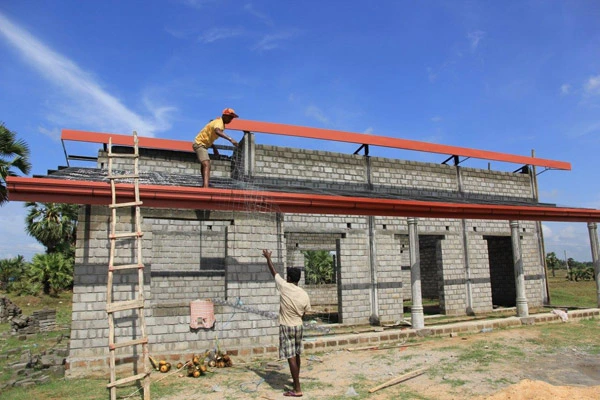
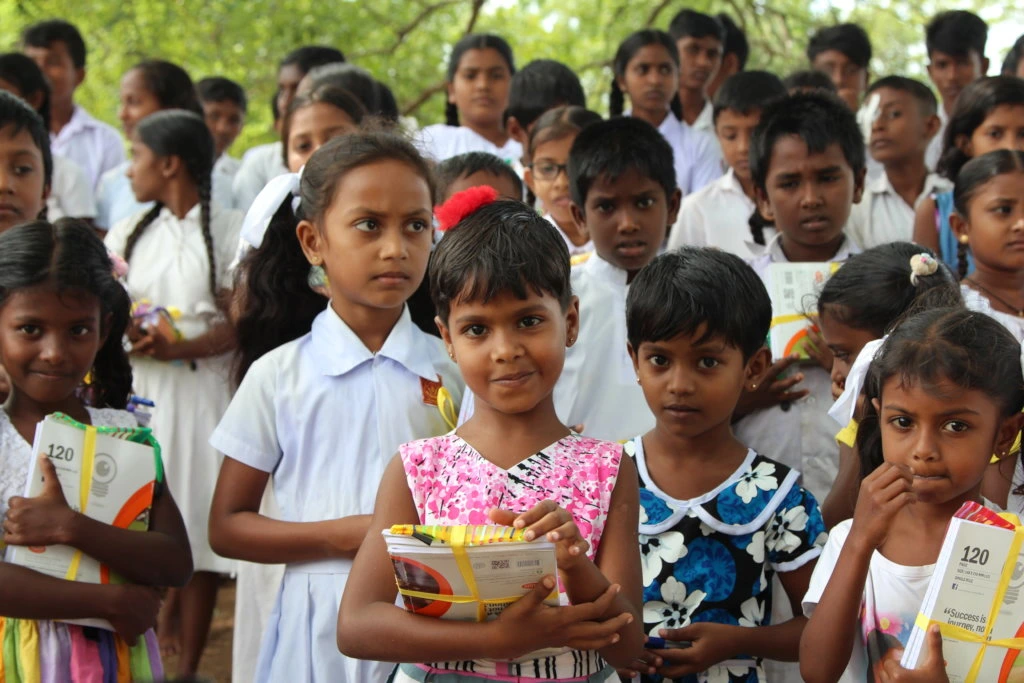
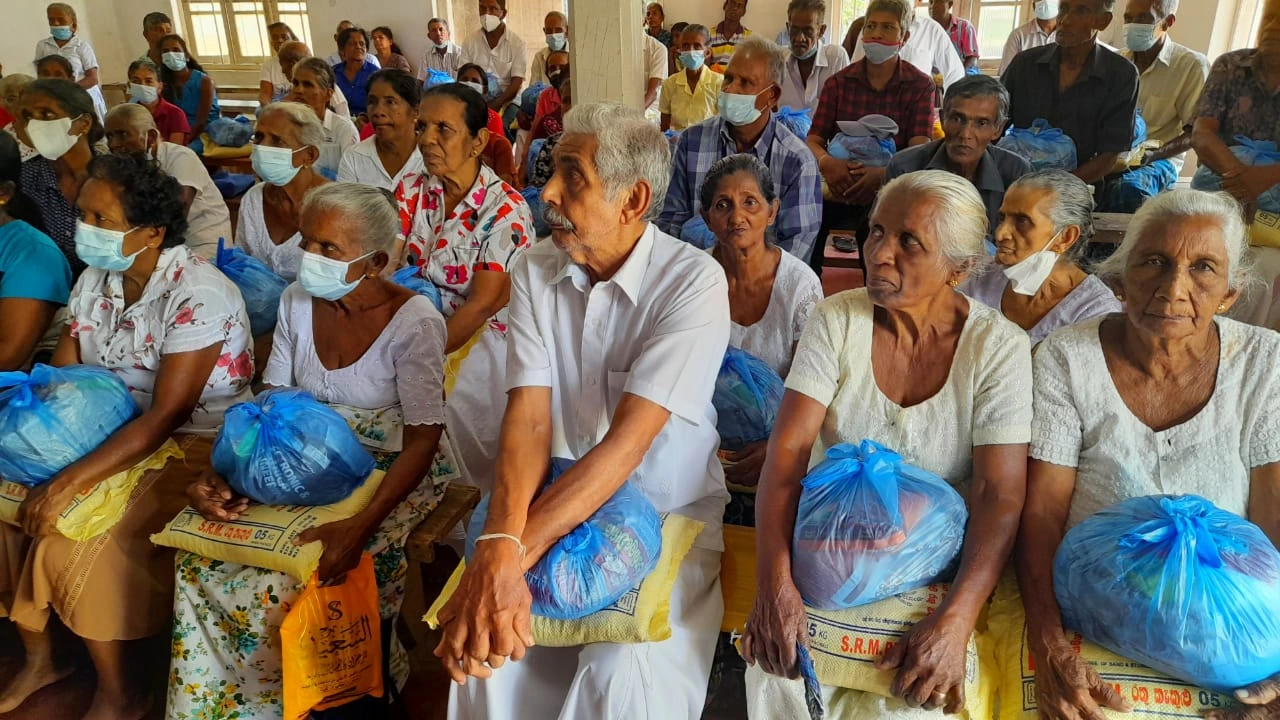
Google Ranked #1, the Heartfelt Expedition is a unique tour that invites tourists to personally engage in charitable events from the perspective of a local donor. Participants will be involved in school initiatives, elderly adoption, and community assistance throughout Sri Lanka.
Discover authentic culture and make a difference by helping local communities.