Often described as Sri Lanka’s Taj Mahal, Eiffel Tower, or Great Wall of China, Sigiriya is the country’s most iconic landmark and a must visit for every traveller. Rising above green forests and rolling hills, this ancient rock fortress creates a powerful first impression that stays with visitors long after they leave. The setting feels peaceful, timeless, and deeply connected to Sri Lanka’s ancient heritage.
Built by King Kashyapa, Sigiriya once served as a royal palace and a place of protection. Its advanced ancient engineering, from perfectly planned water gardens and royal pools to colourful frescoes painted high on the rock, continues to amaze historians today. Climbing to the top rewards travellers with stunning views and a deeper understanding of Sri Lanka’s remarkable cultural and architectural legacy.
At SL VOYO, Sri Lanka’s first travel platform, we help travellers discover Sri Lanka through experiences that go beyond basic sightseeing. Whether you are joining our Sri Lanka tours or planning your own adventure, this is our friendly guide to the top things to do in Sigiriya.
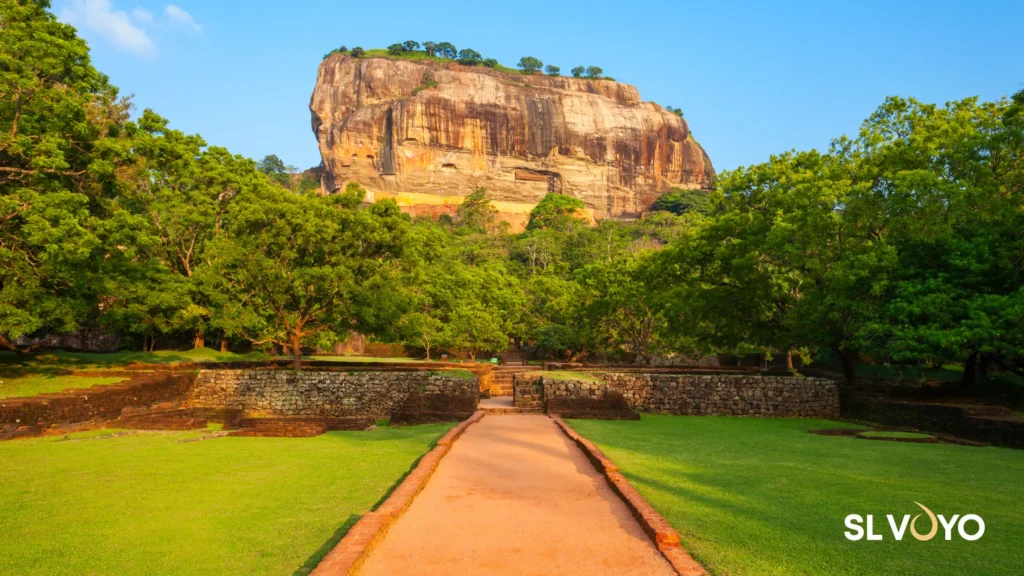
Sigiriya, also known as the Lion Rock, is located in the Matale District of Sri Lanka. It is one of the country’s most famous historical and cultural landmarks. Sigiriya was built by King Kashyapa in the 5th century AD as his royal palace and fortress.Kashyapa, the son of a secondary wife, built Sigiriya as a palace to secure his position after killing his father, King Dhatusena. It was constructed at a great height to make it difficult for enemies to reach. The site is famous for its ancient architecture, beautiful gardens, and stunning views from the top of the rock.
When you visit Sigiriya, you will climb the massive rock fortress, which is about 200 meters high. Along the way, you can see the famous Sigiriya Frescoes, colourful paintings of “heavenly maidens,” and the Mirror Wall, which contains ancient inscriptions written by visitors hundreds of years ago. The water gardens and boulder gardens at the base of the rock show advanced landscaping techniques used in ancient times.
Sigiriya is important because it is a UNESCO World Heritage Site and shows the ingenuity and creativity of ancient Sri Lankan civilization. Visitors can explore the Lion’s Gate, climb to the summit for panoramic views, and visit the nearby Sigiriya Museum, which displays artifacts and explains the history of the site.
Key Details:
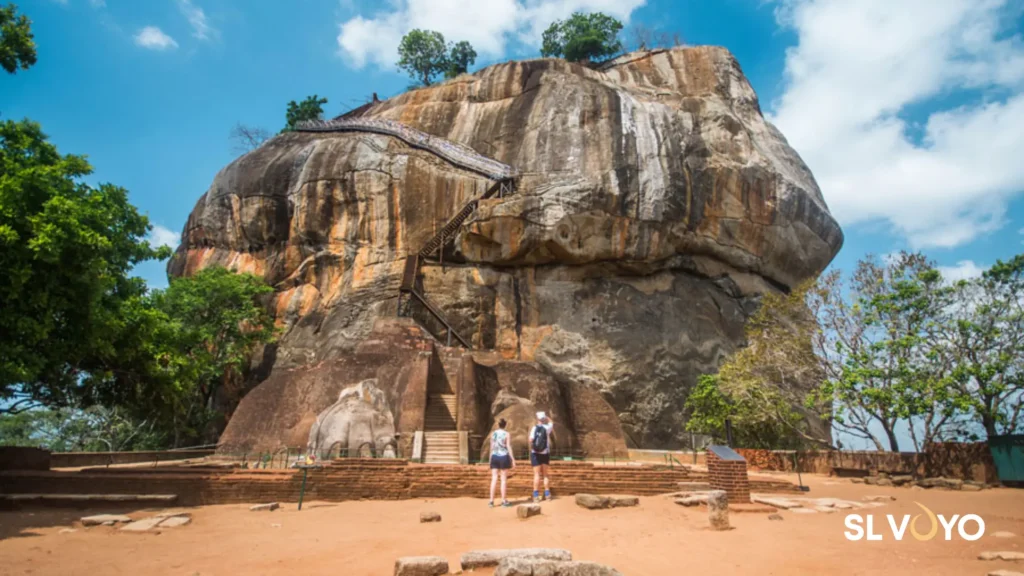
Climbing Sigiriya Rock Fortress usually takes between 1.5 to 3 hours, depending on your pace and time spent exploring. King Kashyapa selected this massive rock, rising about 200 metres high, for its natural strength and defensive advantage, making it extremely difficult for enemies to attack. Many parts of Sigiriya, including the upper palace, cisterns (stone tanks carved into the rock to collect and store rainwater), and water tanks, were cut directly into the rock using simple iron and stone tools, showing the remarkable skill of ancient builders.
At the summit, the royal palace was built using brick and timber, with walls, staircases, and rooms carefully designed to fit the natural shape of the rock. Numerous ponds and rock-cut cisterns (rainwater storage reservoirs) helped ensure a steady water supply at the top. From here, visitors enjoy breathtaking 360° views of forests, villages, and rice fields. Pidurangala Rock stands out in the distance, while the lower and middle gardens with their water features and pathways spread out below.
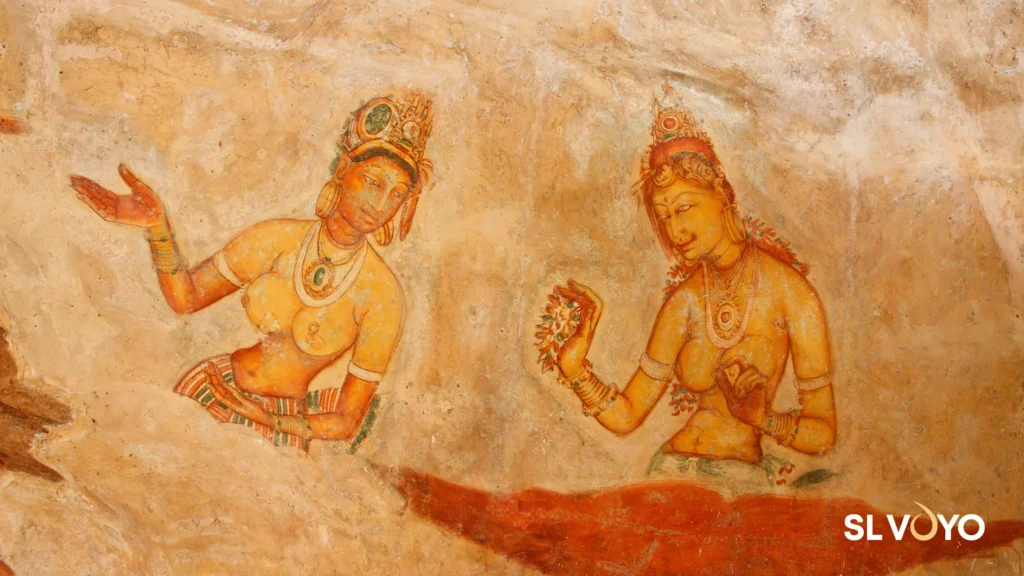
Step into the world of ancient Sri Lanka by visiting the famous Sigiriya frescoes, created during the reign of King Kashyapa in the 5th century CE. These remarkable paintings were designed to enhance the beauty and grandeur of the Sigiriya rock fortress, once a royal palace and a powerful symbol of kingship. Beyond their visual appeal, the frescoes are believed to carry religious and ceremonial meaning, reflecting ideas of divine beauty, protection, and heavenly beings. Standing before them, visitors can truly feel the cultural richness and artistic brilliance of an ancient civilization.
As you approach the fresco gallery, you will encounter elegant female figures painted with exceptional grace and detail. Often identified as celestial nymphs or royal ladies, these figures are adorned with sparkling jewellery, fresh flowers, and finely crafted garments. Some gently hold trays of flowers, while others appear alongside attendants, all seemingly floating among soft clouds. Their expressive faces and flowing poses bring the paintings to life, leaving visitors amazed by the skill and imagination of the ancient artists.
What makes the Sigiriya frescoes even more fascinating is the way their colors have survived for over a thousand years. The artists used natural pigments made from minerals and plants, including red and yellow earth tones, white lime, black carbon, and striking copper-based blue and green shades. Painted onto wet plaster using the fresco technique, these colours bonded deeply with the surface, allowing them to remain bright and vibrant to this day. Visiting the Sigiriya frescoes is not just seeing art, it is experiencing history, beauty, and timeless craftsmanship in one unforgettable place.
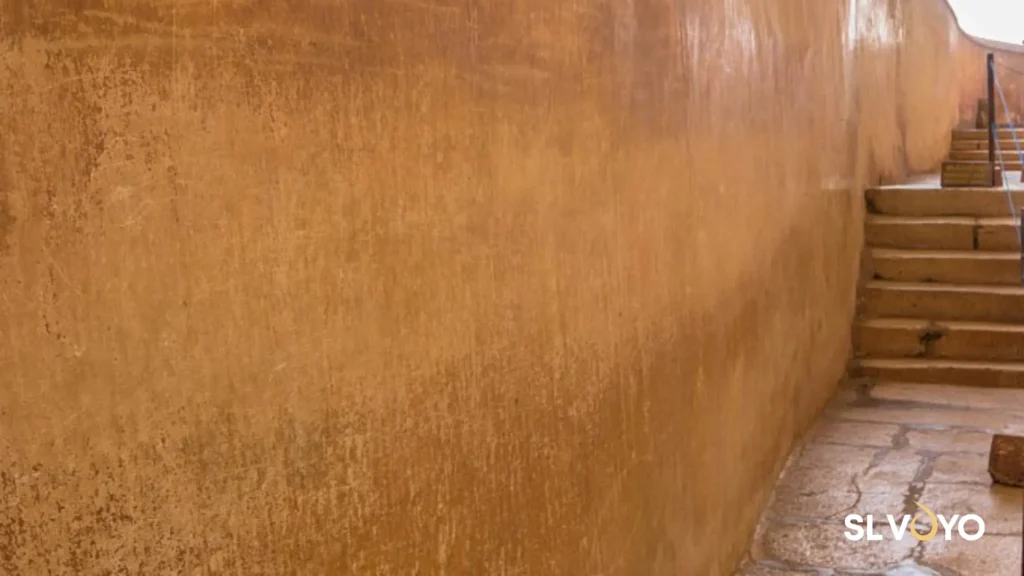
The Mirror Wall is a highly polished wall that runs along the path to the upper palace. Originally, it was polished so smoothly that people could see their reflections, which is why it earned its name. It was created to showcase the skill of ancient builders and to add beauty to the palace, while also impressing visitors with the sophistication of the design.
Today, the Mirror Wall is covered with hundreds of inscriptions and poems written by travellers over many centuries. These writings provide a glimpse into the thoughts, feelings, and daily lives of people from long ago. Although it no longer reflects images like it once did, the Mirror Wall remains a unique and important feature, highlighting both the artistic talent and cultural history of the ancient builders.
Note:
Avoid touching the Mirror Wall.
You can take photos of the Mirror Wall, but the wall is protected as part of the cultural heritage, so be careful when using cameras or selfie sticks.
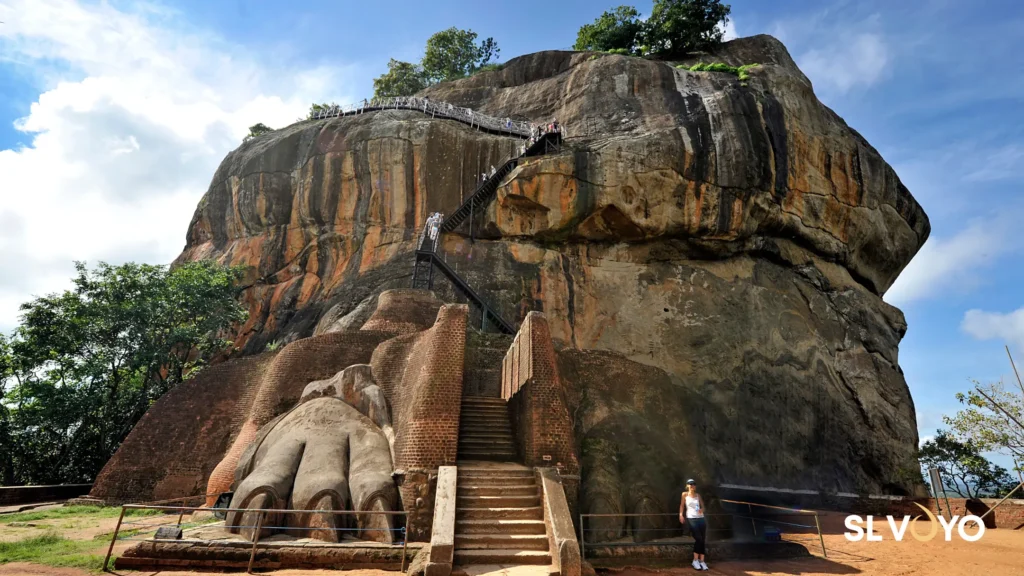
The Lion’s Gate of Sigiriya is one of the most impressive highlights of the Sigiriya Rock Fortress, and a must-see for visitors. It served as the grand entrance to the royal palace at the summit and symbolized royal power, strength, and divine protection. In ancient Sri Lankan culture, the lion represented kingship and authority, and passing through this gate meant entering the sacred royal space of King Kashyapa.
As visitors climb Sigiriya Rock, the massive stone carved lion paws appear dramatically on the northern side of the rock. These giant paws, carved directly from the natural rock, are the remains of a once complete lion-shaped gateway. In the past, people ascended the staircase through the lion’s open mouth, walking between its paws to reach the summit. Even today, the surviving paws clearly show the remarkable stone-carving skill of the ancient builders.
Located about halfway up the northern face of Sigiriya Rock, the Lion’s Gate also played an important defensive role. Together with steep rock faces, moats, ramparts, and walls, it helped protect the palace above. Today, climbing past the towering lion paws is one of the most exciting moments of the Sigiriya visit, offering a strong connection to Sri Lanka’s ancient royal heritage.
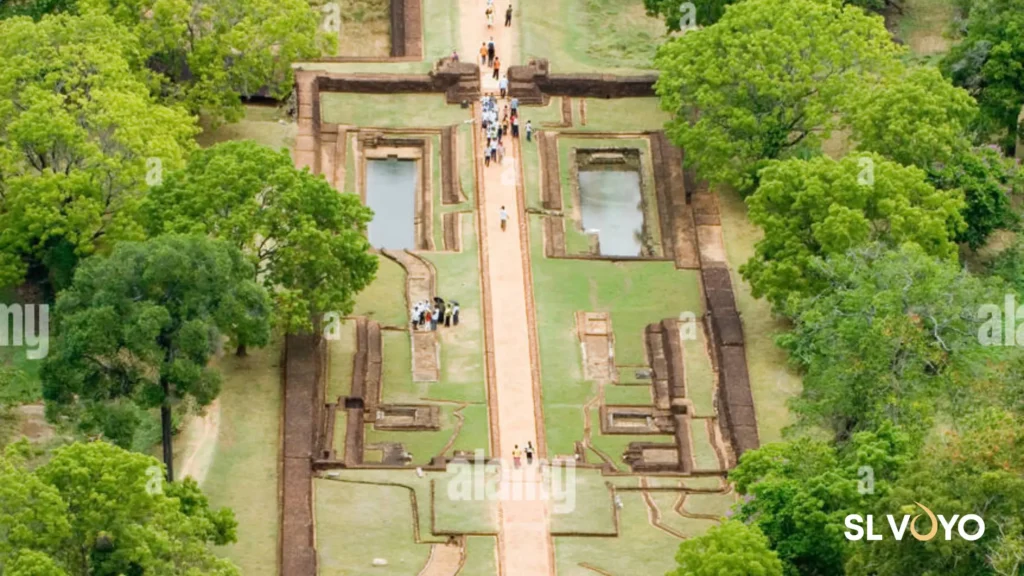
Visitors to Sigiriya can enjoy a breathtaking journey through its ancient gardens, each designed for beauty, leisure, and royal luxury. The Water Gardens at the western entrance feature pools, fountains, and moats connected by underground channels, showcasing advanced ancient water engineering. Visitors can stroll along the symmetrical pathways, admire the large central pond and smaller pools, and see the historic fountain system in action during the rainy season—a true marvel of ingenuity.
Beyond the Water Gardens are the Boulder Gardens, where natural rock formations are blended into the design. Carved pathways and small caves offer spaces for meditation or quiet reflection, while strategically placed boulders add both protection and natural beauty. Visitors can explore hidden corners, enjoy the adventure of winding paths, and experience the harmony of nature and ancient landscaping.
At the foot of Sigiriya Rock are the Terrace Gardens, built in layered terraces rising toward Lion Rock. Carved into the slope, they blend with the landscape and offer stunning panoramic views. These terraces guide visitors toward the summit, combining decoration, function, and scenic beauty. Made with natural rock, soil, and engineered water systems, the Sigiriya gardens let visitors witness the creativity, skill, and artistry of ancient Sri Lanka while enjoying a memorable, picturesque journey.
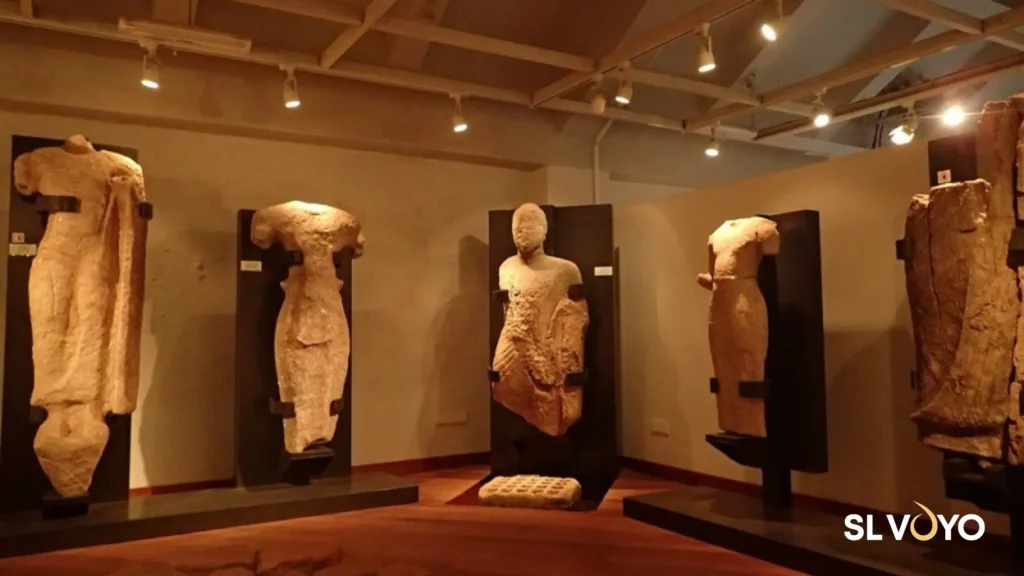
Discover the Sigiriya Museum, a fascinating cultural and archaeological destination that brings the history of the iconic Sigiriya Rock Fortress to life. Explore a unique collection of ancient artefacts, fossilized human remains, tools, jewellery, weapons, pottery, paintings, and architectural fragments. Walk through the exhibits, take amazing photos, and step back in time to learn how people lived in ancient Sri Lanka.
Built by the Central Cultural Fund of Sri Lanka with guidance from the Department of Archaeology, the museum carefully protects and displays Sigiriya’s treasures. Its design blends perfectly with the natural surroundings of the rock fortress, offering a serene and inspiring environment for visitors.
The museum is open daily from 8:30 AM to 5:30 PM, making it easy to visit during your Sigiriya trip. Tickets are $35–36 USD for foreign tourists, LKR 120 for locals, and children under 6 enter free. Don’t miss this chance to explore one of Sri Lanka’s most important cultural sites and experience the history and heritage of Sigiriya up close.
Sigiriya is famous for its ancient rock fortress, Lion Gate, Sigiriya frescoes, and stunning panoramic views from the summit.
Sigiriya is located in central Sri Lanka, near Dambulla, about 170 km from Colombo.
Sigiriya was built by King Kashyapa in the 5th century CE.
It is a UNESCO site because of its unique architecture, advanced water gardens, historic frescoes, and cultural significance.
There are around 1,200 steps to reach the top.
It usually takes 1.5 to 2 hours to climb up and come down.
They are ancient wall paintings of graceful women, painted over 1,500 years ago.
The best time is early morning to avoid heat and crowds. Opening time is from 5 am to 5 pm every day.
Yes, it is safe, but visitors should be careful on steep stairs and around monkeys.
$ 35 per adult tourist.
What is it?
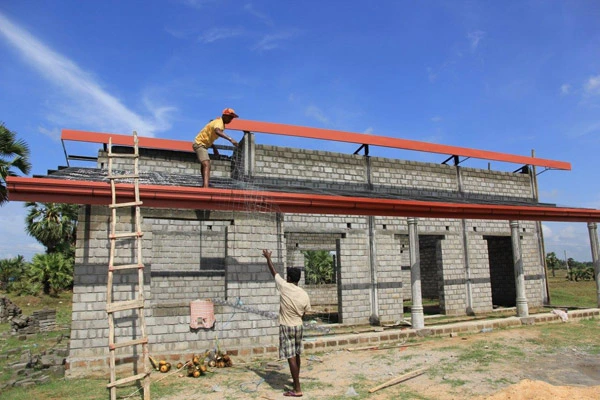
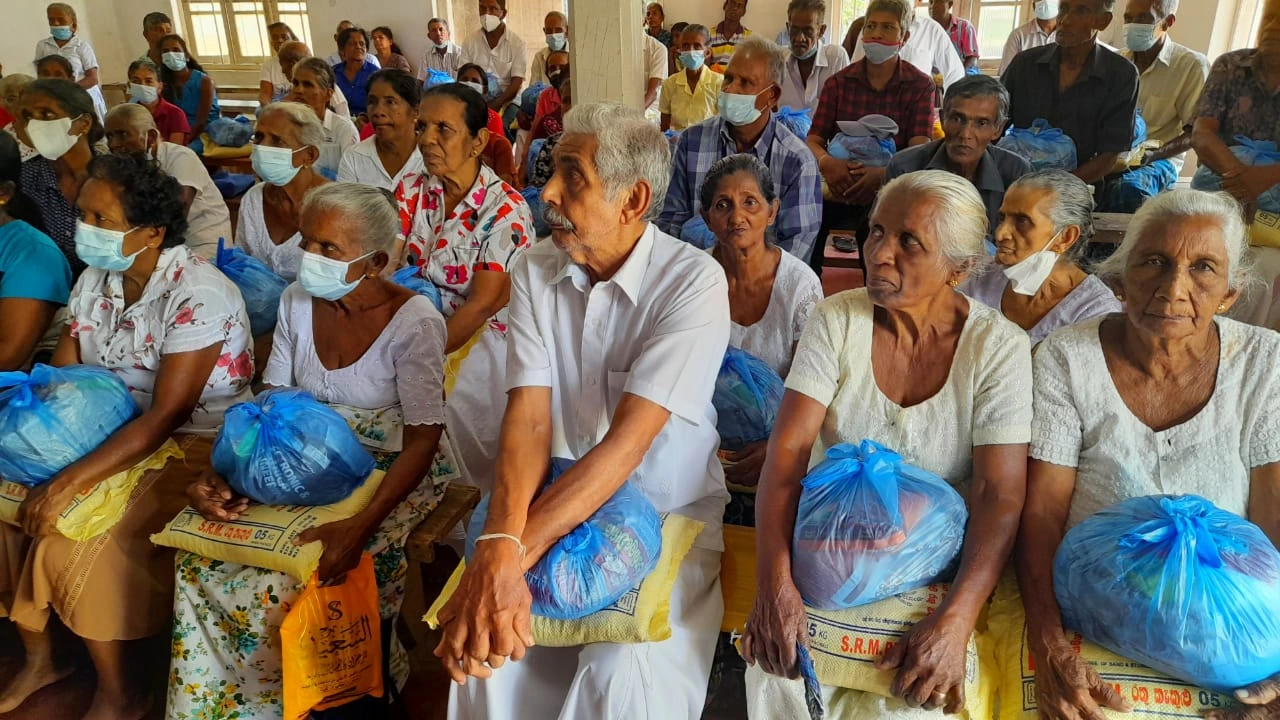
Google Ranked #1, the Heartfelt Expedition is a unique tour that invites tourists to personally engage in charitable events from the perspective of a local donor. Participants will be involved in school initiatives, elderly adoption, and community assistance throughout Sri Lanka.
Discover authentic culture and make a difference by helping local communities.