At SL VOYO, Sri Lanka’s first travel platform, we help travellers go beyond basic sightseeing and experience the island in a more meaningful way. Whether you are joining our tours or planning your own adventure, here is our friendly guide to the wewa the ancient reservoirs that helped turn Sri Lanka’s dry landscapes into thriving agricultural communities.
The Ancient Lakes of Sri Lanka
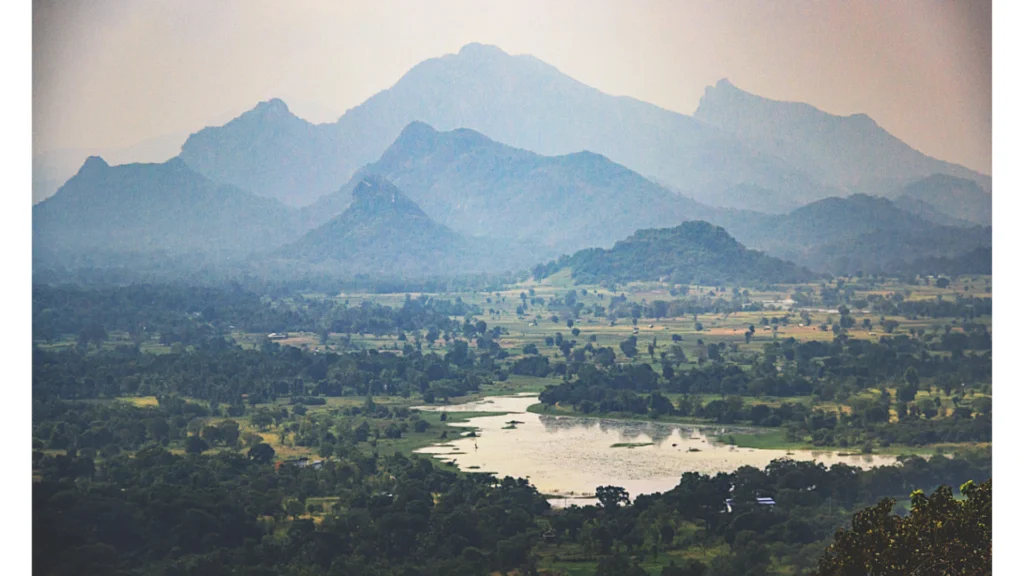
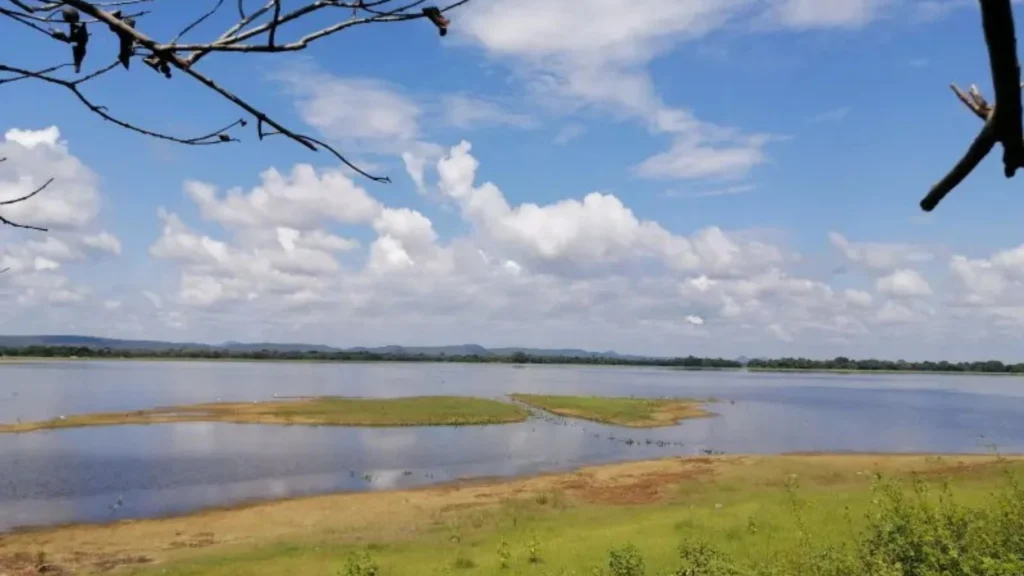
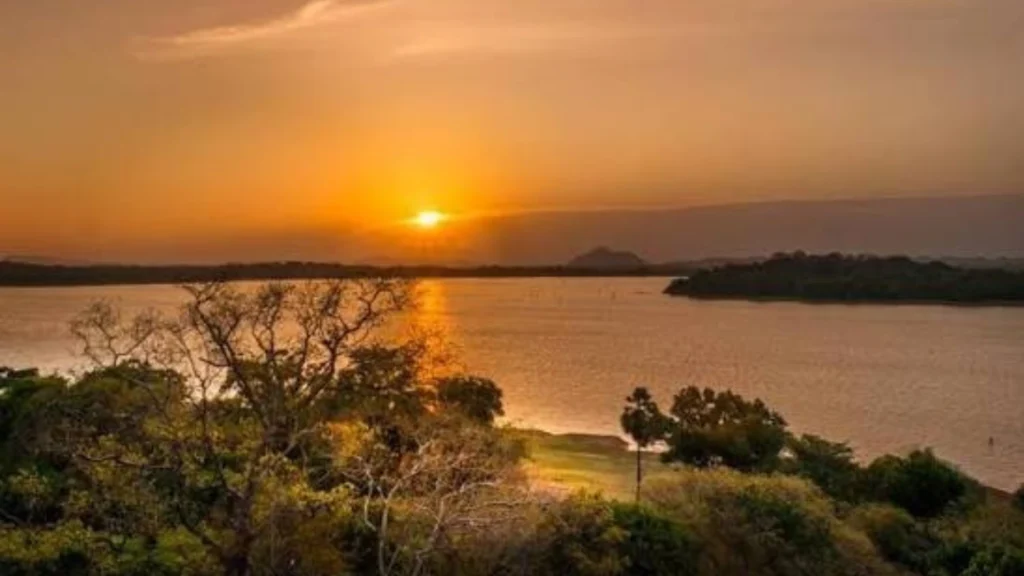
Across Sri Lanka, especially in the dry zone, huge bodies of water can be found surrounded by fields, forests, villages, and wildlife. Many of these are not natural lakes. They are wewa, ancient reservoirs created by generations of Sri Lankan engineers.
For thousands of years, Sri Lanka has depended on the careful collection and storage of rainwater. During the rainy seasons, water was captured in reservoirs and later released to farms and communities during the dry months.
These remarkable structures became an essential part of life, supporting agriculture and allowing communities to flourish in areas where water was not always easy to find.
A Civilization Built Around Water
The ancient Sri Lankans understood that water was one of the island’s most valuable resources. Instead of allowing seasonal rainwater to flow away, they developed an interconnected system of reservoirs, canals and channels.
Some wewa were small village tanks, while others became enormous reservoirs stretching across the landscape.
Water could be moved from one tank to another through carefully designed channels, creating an irrigation network that supported rice cultivation and other crops.
This system was not simply about engineering. It shaped where people lived, how villages developed, and how Sri Lankan society grew over centuries.
Minneriya Wewa – Where Water Meets Wildlife
One of Sri Lanka’s most famous ancient reservoirs is Minneriya Wewa, located in the island’s dry zone.
The reservoir was built during the reign of King Mahasena, around the 3rd century AD. Its main purpose was to store water and support agriculture in the surrounding region.
Today, Minneriya is famous for another reason.
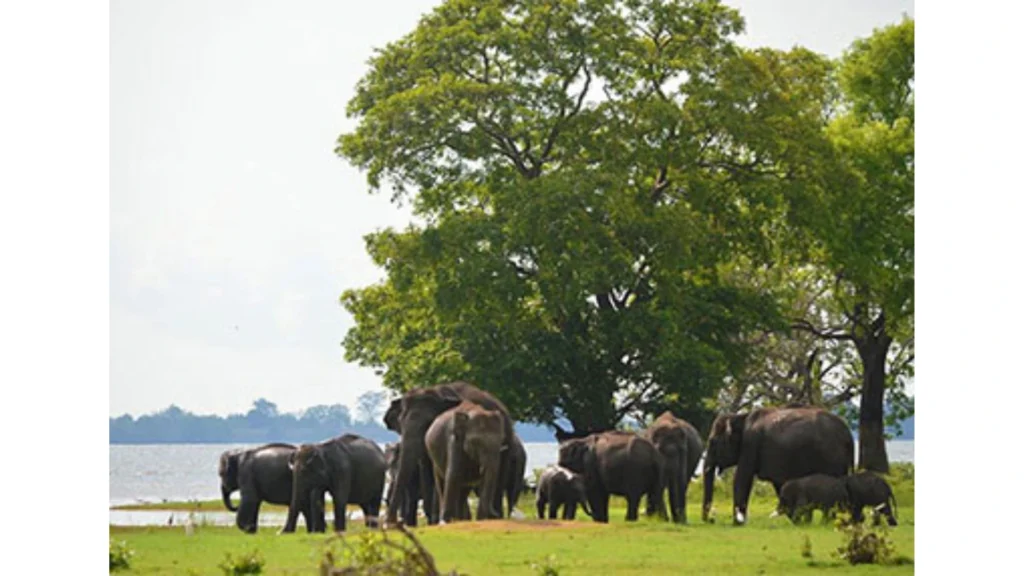
As the water level falls during the dry season, large grasslands appear around the reservoir. These areas attract large numbers of elephants, creating one of Sri Lanka’s most spectacular wildlife experiences.
It is a remarkable connection between ancient human engineering and modern wildlife. A reservoir built more than a thousand years ago continues to provide water and create an important habitat for animals today.
Parakrama Samudraya – A Sea Created by People
Near the ancient city of Polonnaruwa lies one of Sri Lanka’s greatest examples of ancient water engineering — Parakrama Samudraya.
Its name means the “Sea of Parakrama”, and its enormous size makes the name easy to understand. The reservoir was developed during the reign of King Parakramabahu I in the 12th century.
The vast body of water was designed to collect and distribute water for agriculture, helping transform the surrounding dry landscape into productive farmland.
Standing beside Parakrama Samudraya today, it can be difficult to imagine that such a huge body of water was created through human effort more than 800 years ago.
The Wisdom Behind the Water
The construction of these reservoirs required an impressive understanding of the natural landscape.
Engineers had to understand rainfall, water flow, soil, elevation and the strength needed to hold back enormous quantities of water.
Large earth embankments, known as bunds, were constructed to contain the reservoirs, while sluices and channels controlled how water was released.
The system allowed water to reach agricultural land when it was needed most.
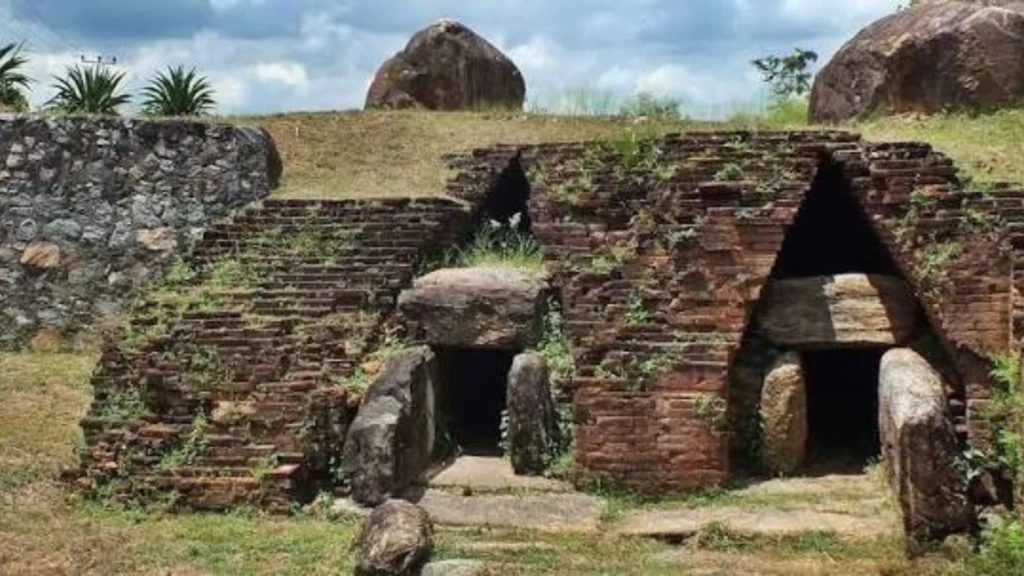
This ancient approach to water management was so successful that many reservoirs and irrigation systems continued to be used long after the kings who built them were gone.
More Than Just a Reservoir
A wewa is much more than a place where water is stored.
These reservoirs became the centre of village life. They supported farmers, provided water for crops, and created wetlands and grasslands that became home to birds, elephants and many other animals.
Even today, reservoirs such as Minneriya continue to support both people and wildlife.
When the water level changes throughout the year, the surrounding landscape changes with it. Grasslands appear, birds gather, and animals move towards the water.
This creates a unique relationship between people, agriculture, water and nature that has existed in Sri Lanka for centuries.
A Legacy That Still Lives Today
When you stand beside one of Sri Lanka’s ancient reservoirs, it may simply look like a beautiful lake stretching towards the horizon.
But beneath the peaceful landscape lies an extraordinary story of knowledge, engineering and survival.
The ancient wewa helped shape Sri Lanka’s agriculture, communities and environment, and many continue to play an important role today.
Table of Contents
Tours you might like
We care about our people. That’s why we offer Heartfelt Expedition
What is it?
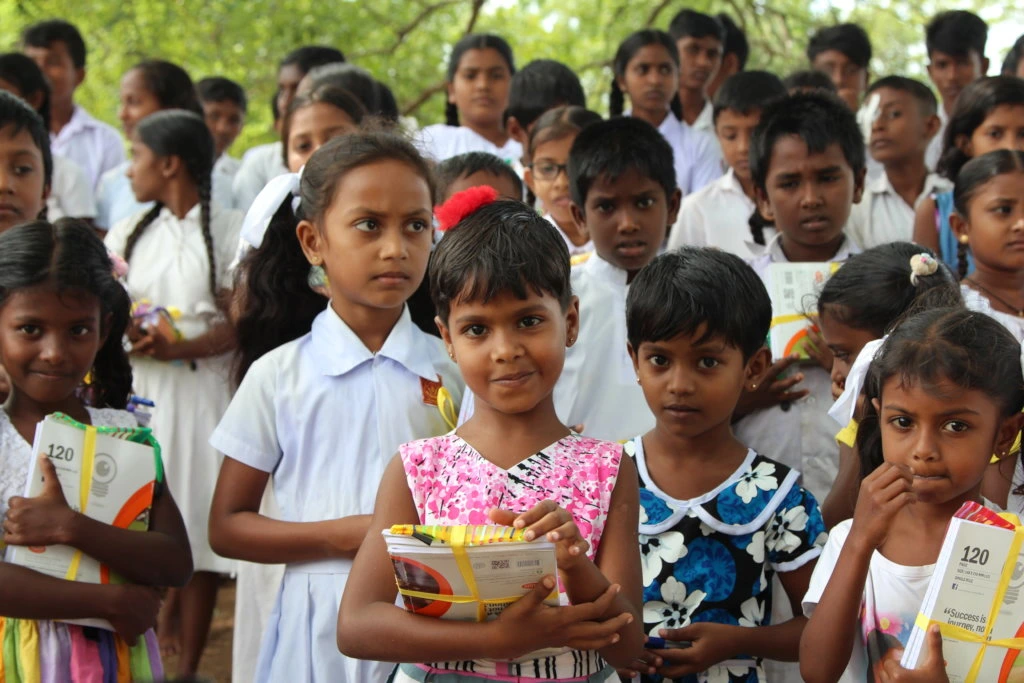
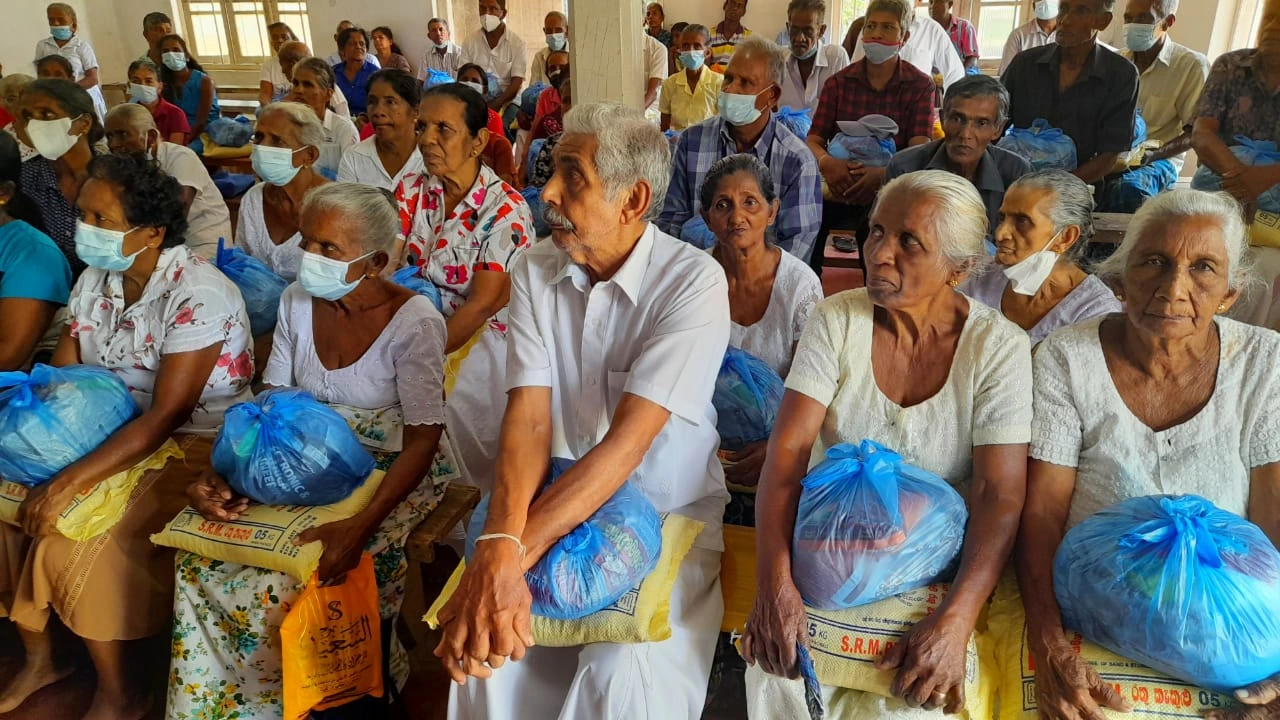
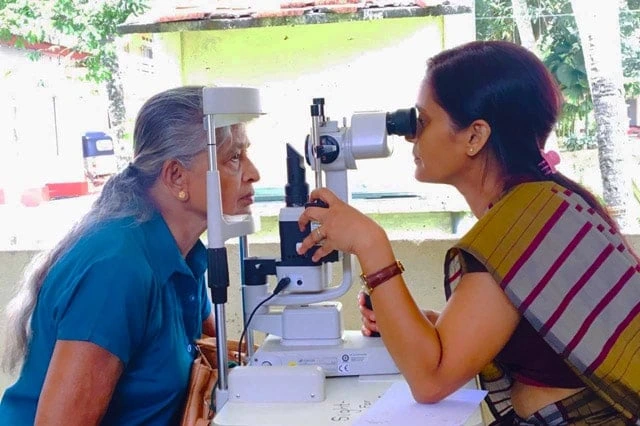
Google Ranked #1, the Heartfelt Expedition is a unique tour that invites tourists to personally engage in charitable events from the perspective of a local donor. Participants will be involved in school initiatives, elderly adoption, and community assistance throughout Sri Lanka.
Discover authentic culture and make a difference by helping local communities.