At SL VOYO, Sri Lanka’s first travel platform, we help travellers go beyond basic sightseeing and experience the island in a more meaningful way. Whether you are joining our tours or planning your own adventure, here is our friendly guide to discovering the magnificent waterfalls of Sri Lanka.
Discovering the Magic of Waterfalls in Sri Lanka
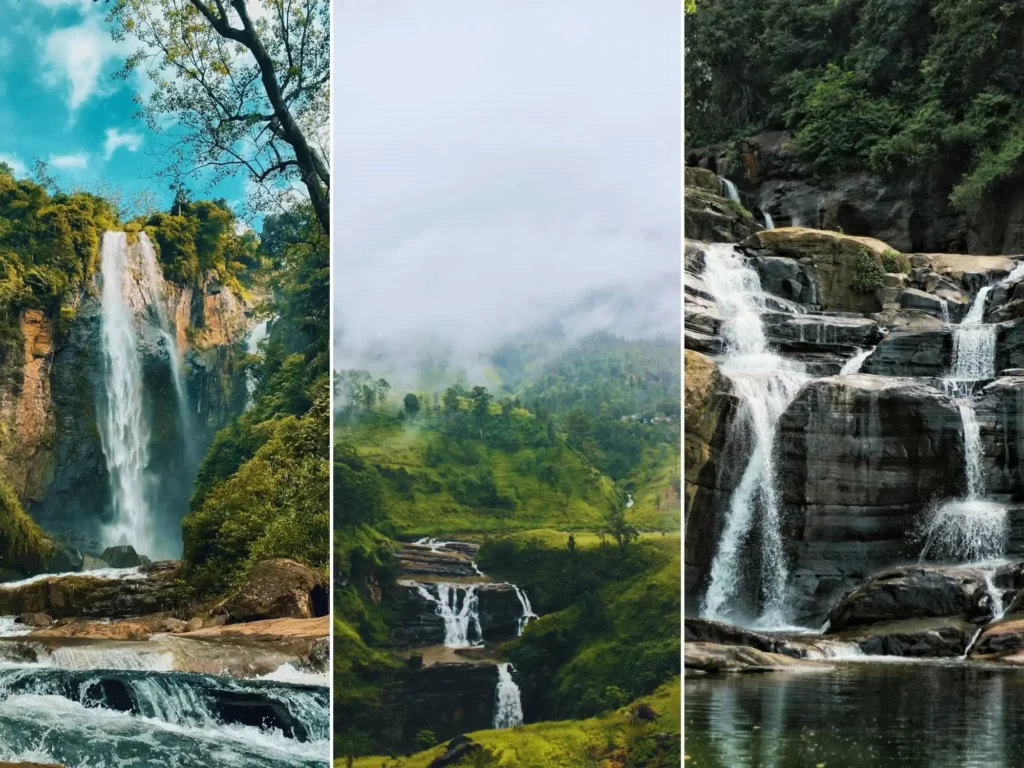
Sri Lanka is a tiny island with a lot of natural beauty. When we travel through this green country, one of the most amazing sights we can see is its waterfalls. There are more than 400 waterfalls spread across the island, making it look like a paradise on Earth.
The beauty of these waterfalls is truly special. They start high up in the misty central mountains and rush down through green tea gardens, thick dark forests, and steep rocky cliffs. As the water falls, it makes a loud, happy sound and turns into cool white foam. The air around them is always fresh, wet, and filled with tiny water drops that shine like diamonds in the sunlight.
Most of these waterfalls are located in the central hills and areas like Nuwara Eliya, Badulla, and Ratnapura. Tourists and local travelers love visiting these places because they offer peace, wonderful hiking trails, and great spots for taking photographs. People come here to escape the busy city life, enjoy the cool climate, and swim in natural rock pools. Because of their amazing views and exciting local legends, these waterfalls have become world-famous tourist attractions.
Waterfalls are not just beautiful places to look at; they are extremely important for our environment and daily lives. They act as the main sources for our rivers, providing fresh drinking water for people, animals, and plants.
Many waterfalls, like Laxapana, help create clean electricity through hydroelectric power plants, which powers our homes and schools. Furthermore, they help keep the surrounding forests cool and wet, protecting the natural homes of many rare birds, animals, and plants. Because they bring tourists from all over the world, they also help support local businesses and the economy. Therefore, it is our duty to protect these natural treasures and keep them clean for the future
Table of Contents
Tours you might like
We care about our people. That’s why we offer Heartfelt Expedition
What is it?
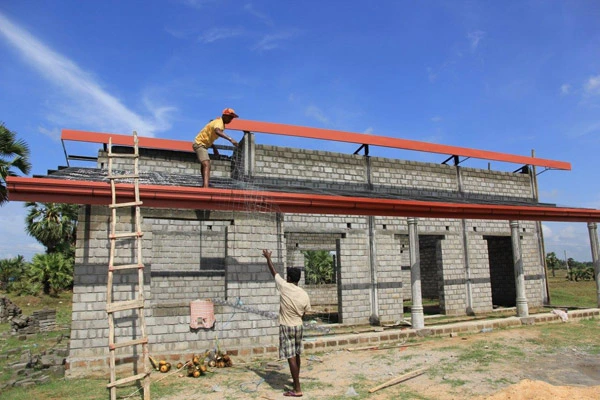
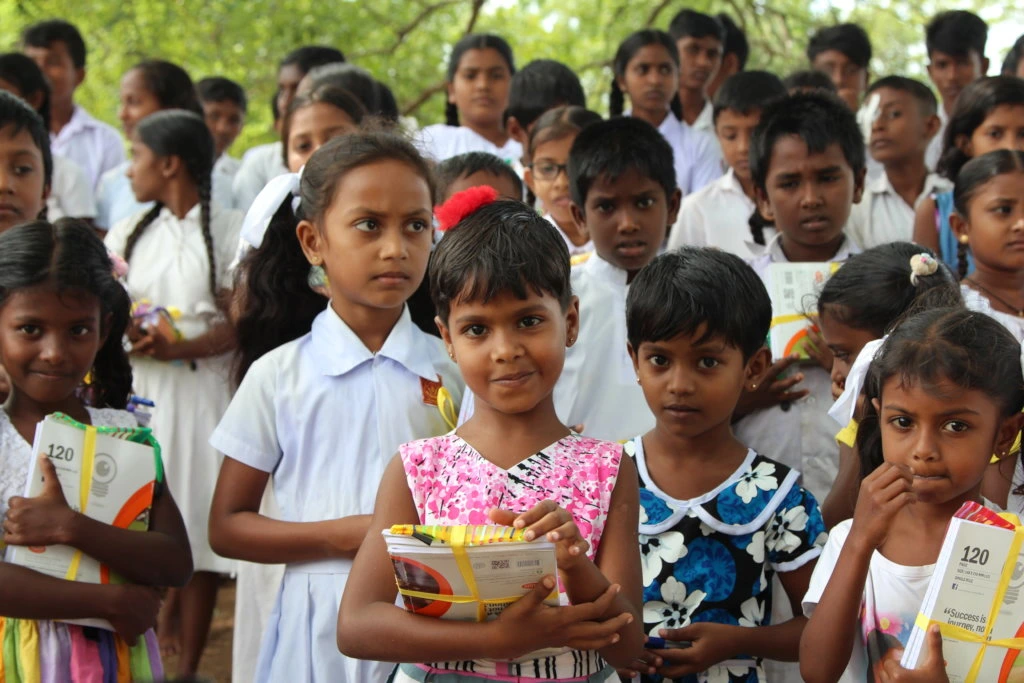
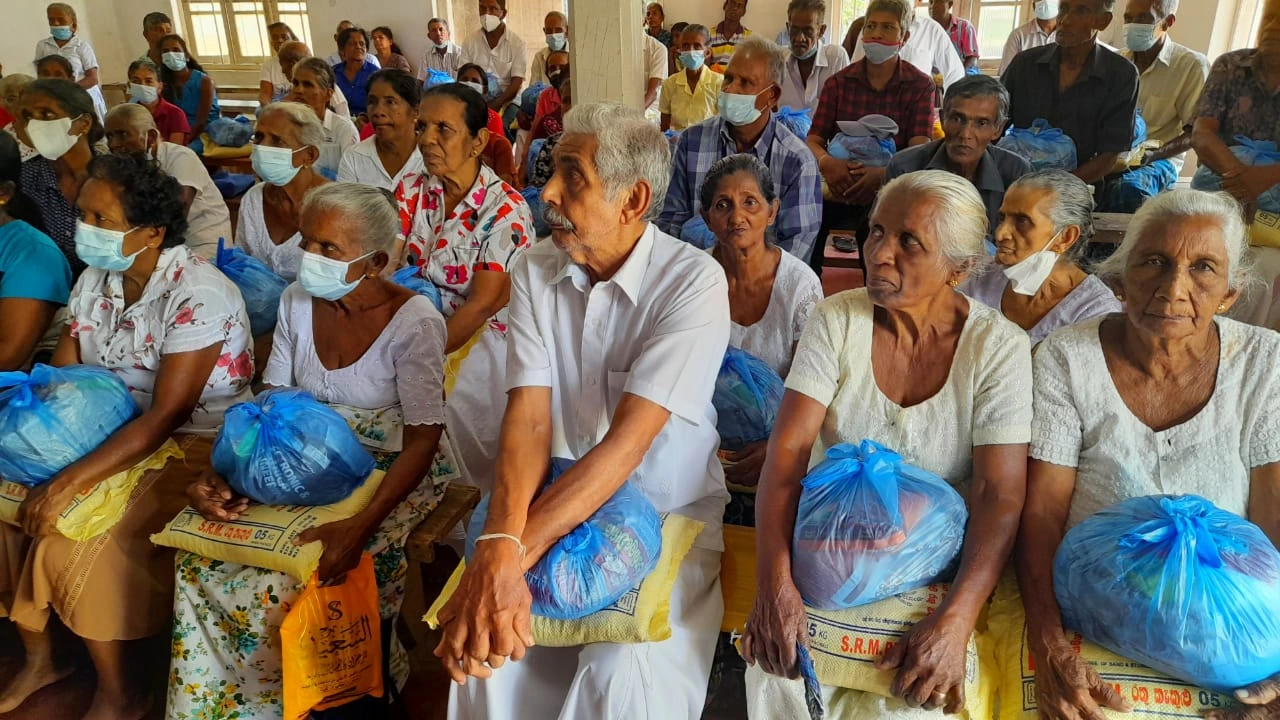
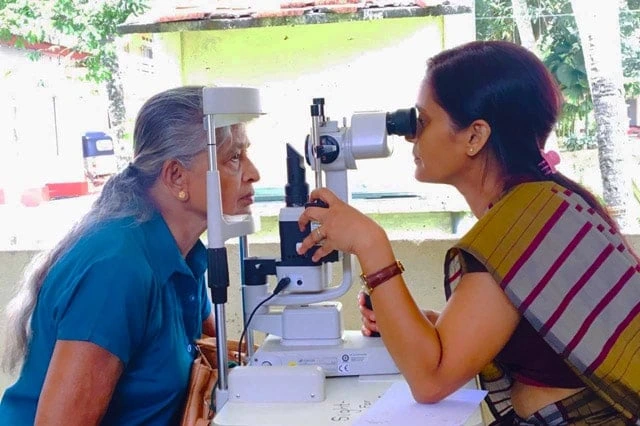
Google Ranked #1, the Heartfelt Expedition is a unique tour that invites tourists to personally engage in charitable events from the perspective of a local donor. Participants will be involved in school initiatives, elderly adoption, and community assistance throughout Sri Lanka.
Discover authentic culture and make a difference by helping local communities.